

Equipment & Specialty Supplies
Hot Kitchen Equipment for Sushi Restaurants
Anago lifted intact from its simmering liquid, a carefully formed sushi omelet and tempura released directly from the oil demand different kinds of control. The vessel, heat source, food support and cook's access are part of the result. Choosing the hot kitchen by appliance category alone misses those relationships.
Cooking Equipment & Culinary Production
The production route matters just as much. Cooking raw seafood, returning a cooked topping to steam, browning a glaze and reheating a prepared component for hot holding are separate assignments. A restaurant that buys cooked egg and seasoned fillings retains different work from one making those components in house. A broad hot menu adds simultaneous orders, oil management and service-finishing duties that a preparation kitchen may never encounter.
This reference connects those foods to the equipment that makes them possible: specialist pans and heat sources, wet-batter fryers, broilers and grills, steamers, ovens, kettles, noodle and gyoza equipment, reheating and holding. It also addresses the complete purchase: useful capacity, utilities, exhaust, water, drainage, cleaning and continuing support. The correct choice is the arrangement that produces the intended food and can operate reliably at the actual site.
Sushi Restaurant Equipment & Supplies: The Definitive Commercial Guide
In this guide 11 sections
01 / Equipment & Specialty Supplies
1. The cooking behind the sushi
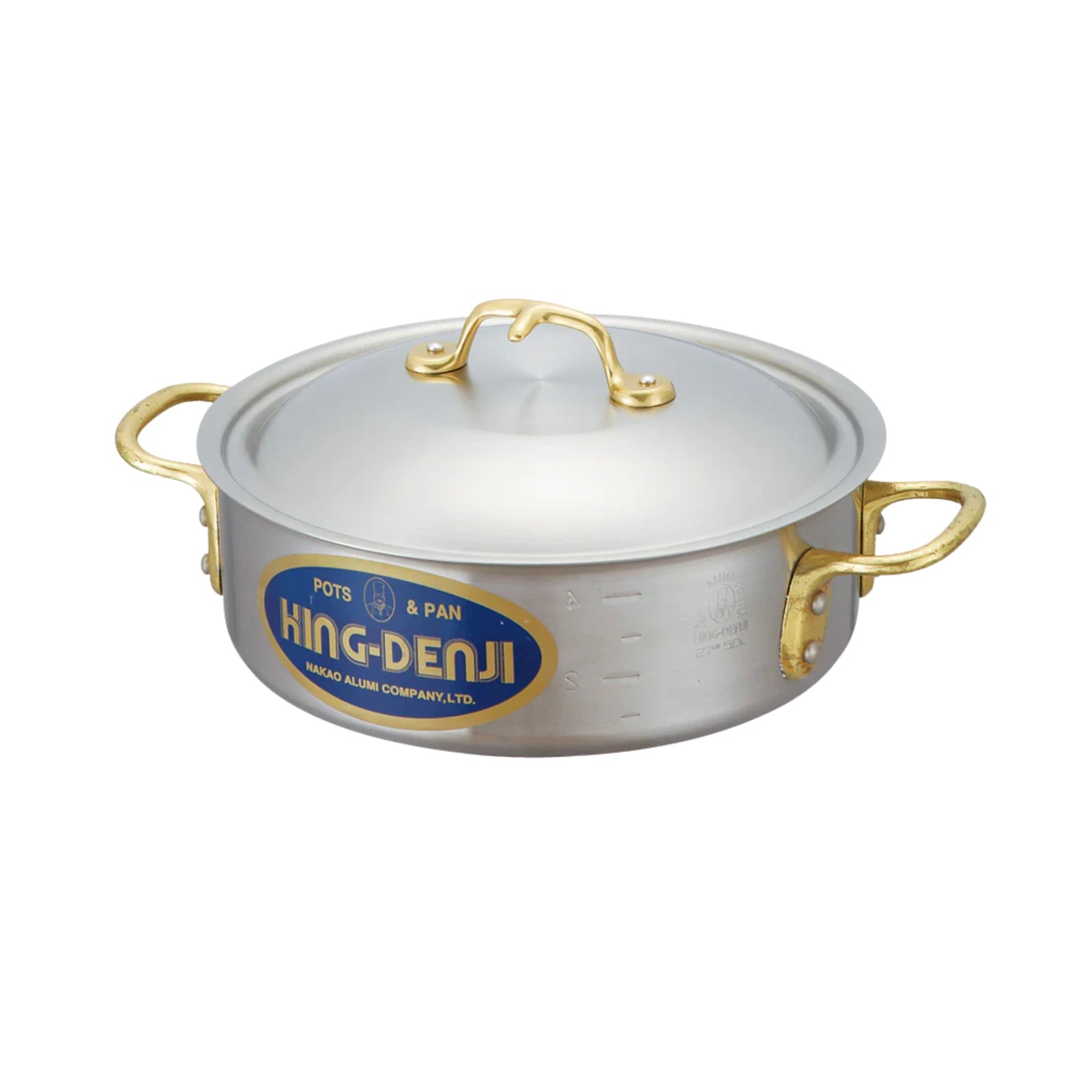
Anago: the vessel, the lift and the finish
Simmered anago is an instructive equipment purchase because the work does not end when the fish is cooked. Tsuji Culinary Institute's preparation uses a drop lid and transfers the tender fish onto a flat tray strainer. The receiving support is part of the technique. It is not an accessory to consider after choosing a pot. Tsuji, simmered anago.
Specify the pieces and their intended arrangement first. The vessel needs usable horizontal room, access for the drop lid and a practical path for lifting the fish without breaking it. Extra depth can add liters while adding little useful room for that arrangement. A large stockpot is therefore not automatically a larger anago production tool.
The fish and sauce can also create two separate heat demands. Uotake Sushi describes adapting its preparation to fish size and reducing the accompanying tsume with attention to scorching. The sauce may continue to occupy a heat source after the fish has been removed. That matters in a kitchen whose only suitable small burner is also needed for service. Uotake Sushi, anago preparation.
The final heat application must be named. Sushi Tanji describes returning its simmered anago to steam before serving; Tsuji's sushi-production teaching includes simmered anago subsequently finished with aburi. These are different service arrangements. A moist return to temperature and a browned surface are not interchangeable functions merely because both preparations appear on the menu as anago. Sushi Tanji, anago service, Tsuji, sushi production class.
For anago made in house, include the simmering vessel, drop lid, lifting support, receiving pans, cooling route and selected service finish. For a purchased cooked eel product, establish the product's actual preparation instructions and the finishing result the chef wants. Do not specify a grill simply because the ingredient is eel, or treat conger-eel preparation and an unidentified prepared eel product as the same process.
Cooked shrimp and octopus: shape and agitation change the assembly
Ginza Watari's kuruma-ebi account describes skewering the shrimp to control curvature before cooking in salted water. It also uses the sushi term mushi ebi alongside the boiling method. A translated menu name is not enough to select a steamer. Ginza Watari, cooked kuruma ebi.
Here, vessel length and removal matter. Prepared shrimp and their skewers must fit without forcing a different shape. The cook needs to lower and retrieve the intended batch promptly, with its receiving arrangement already available. A suitable insert may organize collective removal, but its openings and dimensions must suit the food; a generic pasta basket is not automatically the correct support.
The useful specification includes shrimp size, heads and shells retained or removed, pieces per batch and the lifting method. Daily shrimp count alone does not describe the brief demand on the cooking vessel and the transfer that follows it.
Tender octopus introduces another control problem. Ginza Watari's gentle simmering account relates stronger agitation to skin damage. Tsuji also teaches mushi-ni: octopus in seasoned liquid inside a covered vessel placed within a steamer. The outer steam chamber heats the inner vessel without requiring the same direct simmering arrangement. Ginza Watari, tender octopus, Tsuji, steam and steam-simmering techniques.
For the direct method, the burner must sustain the intended gentle condition beneath the actual pot. For the covered-inner-vessel method, the steamer needs enough height, access and available chamber time. Purchased cooked legs and other octopus preparations retain different work. These chef and teaching accounts establish useful techniques; their recipe narratives do not supply a universal commercial cooking or cooling schedule.
Tamago is at least three different equipment decisions
Rolled egg depends on the working rectangle and the cook's movement. Successive additions spread across the pan; the existing roll is lifted to admit mixture beneath it, then folded into the setting layer. Tsuji's teaching material makes that progressive manipulation explicit. Pan width, front-to-back working space, wall shape, handle and useful heated area all matter. A vessel that holds the entire mixture is not necessarily a suitable rolling pan. Tsuji, egg preparation teaching sheet.
Increasing the pan size changes the area the cook must manage and the weight being moved. It does not establish a proportional increase in good rolls per hour. Demonstrate the intended technique on the proposed heat source, including lifting and repositioning the pan.
Thick sushi egg cooked in a pan is a different heat task. Sushi Tanabe documents a shrimp-and-yam egg preparation cooked in a square copper pan. A thick mass requires the center to develop while its outer faces remain under control. The pan can occupy a heat position for a much longer continuous period than a layered roll. The desired cross-section and texture should determine the pan and method, rather than the generic phrase “tamago pan.” Sushi Tanabe, thick sushi egg.
Oven-baked sushi egg is an established production route. Tsuji's February 2026 class prepared egg with white-fish surimi, sugar and sake in an oven before portioning it for sushi. That makes an oven relevant to sushi production itself, even where the accompanying hot menu is small. It still requires the appropriate pan or mold, depth, cooking method, release and cooling sequence. It is not simply hand-rolled egg with the labor removed. Tsuji, February 2026 sushi production.
Choose the egg the restaurant intends to serve, then choose the equipment. Copper, induction, an oven and purchased cooked egg are not steps on a quality ladder. They participate in different production decisions.
Kanpyo, shiitake and inari occupy real preparation capacity
The hot work behind a finished roll is easy to undercount. MAFF documents seasoned kanpyo as a sushi filling; Tsuji's simmering instruction includes rehydrated shiitake cooked with soaking liquid and dashi. Its sushi-production teaching also includes sweet-simmered aburaage for inari. These preparations ask for separate vessels, observation and control even when the finished quantities are modest. MAFF, kanpyo maki, Tsuji, simmering techniques, Tsuji, sushi production.
Several small controllable heat positions can be more useful than one large high-output burner. The cook needs to observe concentration and remove the batch without reaching into a disproportionately deep vessel. Straining and retained moisture also belong to the recipe: a filling that arrives too wet changes assembly, but “drain everything completely” is no better as a purchasing rule. Some preparations deliberately retain their cooking liquid.
The receiving trays and containers should support the intended method. Subsequent organization belongs with neta preparation and sushi mise en place; the hot kitchen must first deliver the component in the right condition.
Buying a prepared component changes which work remains
Azuma Foods' U.S. catalog identifies seasoned kanpyo, sliced shiitake, inari, cooked sushi egg and steamed monkfish liver. These are genuine alternatives to several different in-house cooking operations. The catalog establishes product form; the current product label and technical sheet determine the preparation required for a particular item. Azuma Foods International, U.S. Summer 2025 catalog.
Scroll to read all columns
| Incoming component | Work that may be removed | Work still to specify |
|---|---|---|
| Seasoned fillings | Rehydration and recipe-specific simmering or reduction | Package handling, portioning, intended moisture and controlled storage |
| Cooked sushi egg | Mixing, rolling or baking, and cooling an in-house batch | Label-directed preparation, cutting, finished dimensions and service quality |
| Cooked eel | The particular raw preparation and initial cooking route | Moist warming or surface finish, glaze, portion support and release |
| Prepared ankimo | In-house preparation, forming and steaming | Product-specific handling, portioning and the cold-service sequence |
A prepared component can remove a burner demand while concentrating more work into the finishing interval. An in-house version can justify a specialist vessel and a protected preparation window because it is central to the restaurant's food. Compare usable yield, retained labor, timing, storage and the result after service finishing. Purchase price per kilogram does not resolve those differences.
02 / Equipment & Specialty Supplies
2. Burners, induction and the pans they heat
Working geometry is more useful than nominal capacity
Rim diameter, contact-base diameter and usable internal base are different measurements. So are brim capacity and recipe working fill. Outside handles and covered height determine whether a vessel can enter a chamber and be removed; empty weight and contents determine what the cook must support or move.
Nakao's King Denji cookware provides a clear same-diameter comparison:
Scroll to read all columns
| Japanese cookware example | Nominal diameter | Depth | Approximate nominal capacity | Empty mass |
|---|---|---|---|---|
| D-1 stockpot | 30 cm | 300 mm | 20 L | 6.2 kg |
| D-3 low pot | 30 cm | 100 mm | 6.5 L | 3.6 kg |
Both are identified by the maker as induction/gas-compatible members of the family. Their volume and mass differ substantially despite the common diameter. These are vessel specifications, not recommended working fills. Nakao D-1, Nakao D-3.
The shallow vessel offers different access to arranged pieces; the deeper vessel accommodates more liquid within a similar plan footprint. Neither specification proves a faster cook or a particular evaporation rate on an unspecified heat source.
Filled mass deserves equal attention. The 6.2 kg D-1 plus 15 L of water-like contents is approximately 21 kg before a lid or additional solids. That is simple load arithmetic, not an approved fill or ergonomic lifting limit. If the proposed process ends by carrying and pouring that vessel, the receiving arrangement is already part of the equipment decision.
30 cm diameter · 300 mm depth
20 L nominal · 6.2 kg empty
30 cm diameter · 100 mm depth
6.5 L nominal · 3.6 kg empty
Original explanatory profiles with equal nominal diameters and a 3:1 depth relationship. Handles and construction details omitted. Nominal capacity is not a recommended working fill. Sources: Nakao D-1 and D-3 product specifications linked above.
Copper egg pans: body, lining and handle
“Copper” does not fully specify an egg pan. The body, food-contact lining, handle attachment, working rectangle and approved heat source need separate attention. Nakamura Douki describes applying pure tin with heat rather than electroplating and offers different rectangular and square egg-pan forms. That is meaningful craft and construction information about the maker's products, not proof that every copper pan is made alike. Nakamura Douki, Nakamura egg-pan forms.
Marushin's copper-cookware instructions prohibit empty heating and ordinary induction use; the maker has not verified all-metal induction use. They also warn against damaging hand-tinned interiors with metal tools. Those limits belong beside the pan recommendation. A wooden handle likewise cannot be assumed suitable for oven use simply because the metal body tolerates heat. Marushin, copper cookware instructions.
For rolled egg, evaluate useful heat across the rectangle and the cook's ability to lift, tilt and fold. For a thicker preparation, evaluate the chosen depth and the control needed as the center develops. The material's behavior is useful only within that complete arrangement. A pan that is beautiful but awkward on the available support is a poor commercial choice.
Heat-source response and heat distribution through the vessel are also separate. Induction generates heat in compatible cookware; the construction then distributes and retains it. A magnetic exterior, conductive core and food-contact lining can perform different jobs. Reducing electrical output does not instantly remove heat already stored in the pan. U.S. Department of Energy, induction heating.
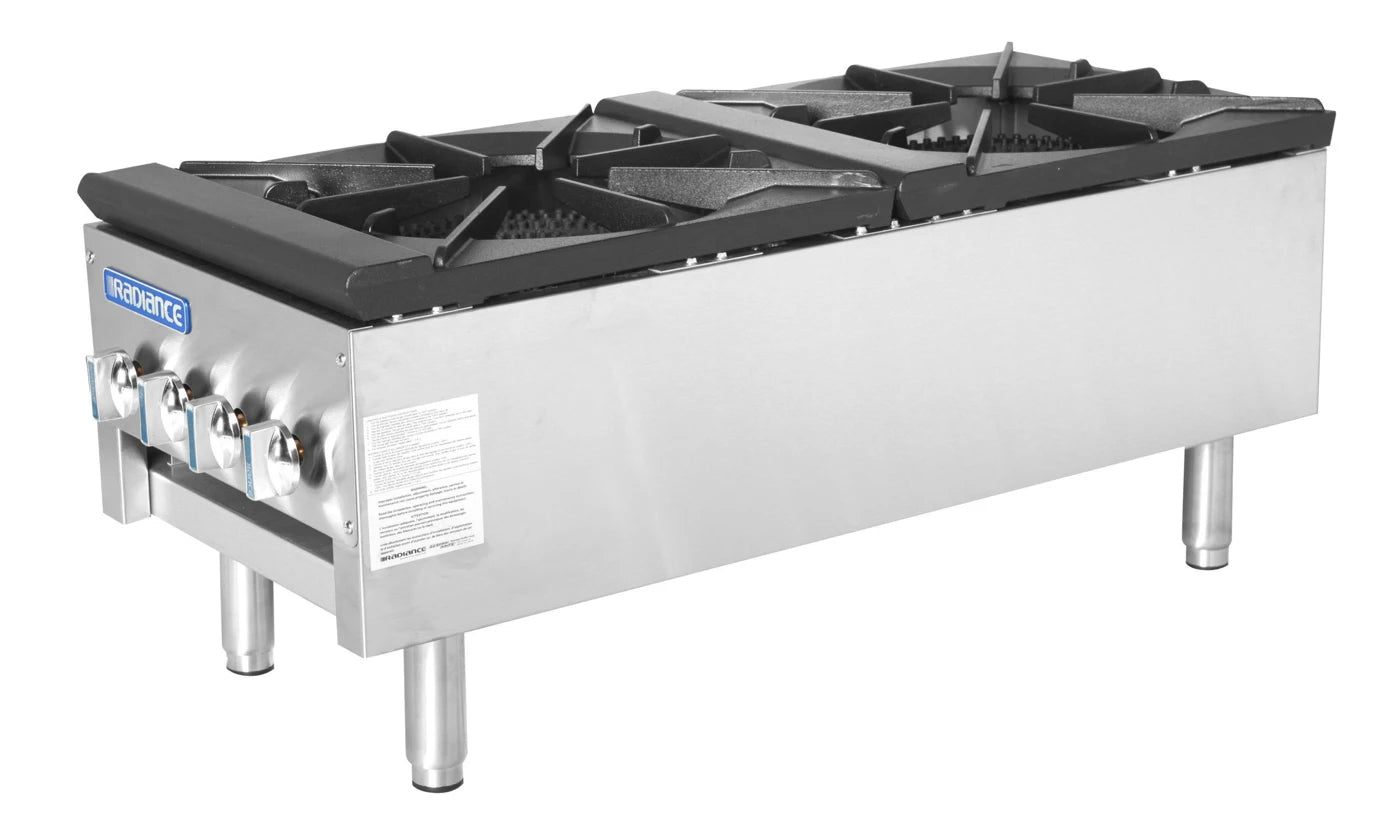
Open burners, hot tops and stockpot ranges
Open burners allow the cook to adjust flame beneath the vessel. A French top offers a different working method: moving the vessel between hotter and gentler parts of a heated surface. Garland's Master Series Spectro-Heat French top is a documented example of that arrangement. It should be compared through the chef's technique and the occupied surface, not described as another set of interchangeable burners. Garland Master Series.
Vulcan's V-Series illustrates a commercial open-burner approach with a two-piece burner assembly. Its V6B36 has six nominal 35,000 BTU/h burners. That maximum input does not establish the smallest stable simmer beneath a particular egg pan or sauce vessel. Vulcan, V-Series burner construction, Vulcan V6B36.
A stockpot range solves another combination of heat and support. Vulcan's VSP200F uses concentric burner rings with separate controls per section. The working height, grate support and ability to control the intended pot matter as much as the large headline input. A low support changes reach and access; it does not reduce the mass of a full pot. Vulcan VSP200F.
Demonstrate both ends of the duty. A heat source may bring a large liquid charge up rapidly and be awkward for the long gentle part of another preparation. A small vessel may be easy to control but poorly supported on a grate intended for a much larger pot. The correct arrangement must hold the actual vessel securely and let the cook stir, observe and remove the food.
Induction: the exact unit and the actual movement
Vollrath's HPI4-3800 is a specific U.S.-market commercial example: 208–240 V, 3,800 W and NEMA 6-20P. The maker describes continuous power control and an expanded magnetic field intended to permit pan lifting or tilting. Those are model features to test with the intended pan, not properties of every induction cooktop. Vollrath HPI4-3800.
The August 2025 HPI/MPI manual specifies flat cookware with a 4.75–14-inch base, prohibits empty-pan preheating, and limits intake air to 104°F/40°C. It calls for at least two inches around adjacent countertop units. Its external probe controls temperature but is not a thermometer, and the display does not report food temperature. Probe positioning and stirring are part of the instructed operation. Vollrath HPI/MPI operator manual.
A static water-boiling demonstration will not answer whether the cook can roll egg without disruptive pan-detection behavior or maintain a small extraction at the intended condition. Perform those jobs. Distinguish the selected setting, the variable the appliance controls and the temperature independently measured in the food.
Placement matters too. A unit with an acceptable electrical supply may still be poorly located beside a broiler if its cooling air becomes too hot or obstructed. A compact induction unit is an installed appliance, even when it can be lifted off the counter.
The result need not be an all-gas or all-induction kitchen. A mixed arrangement is coherent when its separate duties justify it: a manipulable egg-pan station, a controlled small simmer, a properly supported stockpot and a service position that remains available. General straining and turning tools are covered in manual sushi preparation tools; the hot-side purchase must still include the supports necessary for the selected process.
03 / Equipment & Specialty Supplies
3. Tempura and the frying station
Define the food before the vat
Free-fried tempura requires room to introduce, separate, manipulate and retrieve pieces. A long shrimp, broad leaf and vegetable cluster do not occupy the oil like interchangeable portions in a basket. The forming coating and the cook's movement help determine the useful surface.
Breaded katsu, irregular karaage and frozen prepared products create different loads. Basket fit, coating damage, debris, incoming temperature and repeated recovery become different priorities. Even a purchased prepared-looking product may still be raw: JFC's U.S. listing identifies its Ajinomoto foodservice karaage item 6990103 as uncooked. The listing does not supply the cooking process; the current product instructions do. JFC, foodservice karaage.
Oil is also a culinary choice. Tsuji's account of Edo-style tempura discusses sesame-oil use and shop-specific blends, with distinctions between Kanto and Kansai practice. That supports treating aroma as intentional, not prescribing one blend for every restaurant. A deliberately aromatic tempura program may have a reason to remain separate from another frying duty before allergens enter the discussion. Tsuji, tempura and regional oil practice.
Original profiles proportional to the published working areas. The 2.37 area ratio is not a throughput, recovery or quality advantage. Current configuration details remain in the original comparison below.
Specialist wet-batter geometry and general-purpose construction
Oil weight alone is a poor way to compare fryers. Consider three materially different designs:
Scroll to read all columns
| Documented example | Working geometry and oil | Construction that changes the work | Market/configuration |
|---|---|---|---|
| Pitco FBG18 | 18 × 24-inch cooking area; listed 3.25–5-inch cooking depth; 42–65 lb oil according to fill | Smooth, peened mild-steel flat-bottom tank for wet batter; broad accessible working area | U.S. commercial example; verify the current offered configuration |
| Maruzen MEF-T18B | 12 L oil; physical tank depth must not be substituted for working oil depth | Dedicated tempura arrangement without the conventional lower cold zone; swing-up heaters and a raised-heater cutoff | Japanese model: 4.2 kW, three-phase 200 V |
| Frymaster OCF30 electric, full pot | 13 × 14 × 3.75-inch frying area; 30 lb oil | Immersed swing-up flat-bar elements and central RTD within a product described as open pot | 14 kW per full frypot; exact electrical configuration remains part of the order |
Pitco FBG18/FBG24 specification, Maruzen MEF-T18B drawing, Frymaster OCF30 electric.
The FBG18's plan area is 432 square inches; the OCF30 full pot's is 182. That is a useful geometric difference for food that needs horizontal room. It is not a 2.37-fold throughput advantage. It says nothing by itself about repeated-load recovery, the cook's reach or the time needed to release acceptable plates.
Pitco's larger FBG24 provides a 24 × 24-inch cooking area within the same wet-batter family. More area is useful only if the operator can use and supervise it effectively. The correct installation dimensions must come from the current drawing for the purchased unit; a cooking-area figure is not an exterior-width specification. Pitco FBG specification.
Maruzen's different debris strategy deserves attention. The manufacturer explains the omission of a conventional lower cold zone around tempura fragments that float and require surface removal. Its raised-heater access is part of the cleaning design. A cold zone is therefore not a universal prerequisite for good tempura equipment. Equally, a restaurant adding substantial breaded production must reconsider what falls, what floats and where debris accumulates in its actual menu. Maruzen, electric tempura fryer.
Gas tube fryers are another distinct construction. Pitco describes its Solstice arrangement as transferring heat through tubes immersed in oil, with a lower cool zone; its fresh-breaded-food guidance relates that space to sediment collection while retaining the need for filtration. Those tubes, lower spaces and cleaning surfaces should not be confused with a flat-bottom vat or an electric swing-up-element arrangement. Pitco, Solstice construction, Pitco, fresh-breaded frying.
“Open pot” is not sufficient construction information. Inspect where the elements, tubes, sensors, supports and debris paths actually sit. The practical questions are whether the food can move as required, where a soft coating might contact an obstruction and how the operator reaches the surfaces that need cleaning.
Recovery, controls and the limits of a test rating
A fryer thermostat works from its sensing arrangement. The setpoint does not describe every location around a newly introduced batch or prove the food's center has reached its required endpoint. Useful recovery is the ability to produce the next acceptable load under the intended service sequence.
ENERGY STAR's heavy-load fryer efficiency test uses French fries and treats idle energy separately. It is valuable standardized evidence, but it does not provide a shrimp-and-vegetable tempura service rate. Nor does comparing 4.2 kW on one specialist design with 14 kW on a different general-purpose fryer establish which uses less energy per acceptable portion. ENERGY STAR commercial fryer specification, Version 3.0.
Bring the actual food, cuts, batter or breading and starting condition to the demonstration. Run the intended batch and the following batch. Observe oil-temperature behavior, manipulation, finish, removal and the first and last portions released. A successful first basket from a fully recovered fryer does not establish a sustained mixed-menu service.
Skimming, filtration and oil handling are production work
Surface skimming, lower sediment collection and filtration address different places and moments. None eliminates the others by definition. The selected vat, food and operating instructions determine the work.
Pitco's FBG manual calls for at least daily filtration, with more frequent attention potentially needed for high volume or heavily battered food. It addresses loose-debris removal, protection of sensing components, drying after washing and the filter assembly. It also prohibits locating the fryer beside a water cooker or where water can enter the hot oil. Pitco FBG installation and operating manual, October 2019 (third-party-hosted copy).
That makes the filter-pan removal space, oil container and wet-station adjacency part of the purchase. An integrated filter organizes a task; it does not guarantee uninterrupted frying. The vat must be available for the prescribed procedure and returned to its operating condition before the next load.
Racks, mesh screens, fish grids and cleaning tools are also model-specific working objects. Match their openings, support and access to the food and vat rather than assuming a basket is the only useful accessory. Pitco, tank racks and screens.
A smaller oil charge reduces the amount needed for a fill. It does not prove lower total oil consumption after carryout, topping up, filtration losses and replacement. Ordinary filtration does not establish that used oil has become equivalent to new oil, and a clean appearance does not establish the desired flavor or condition.
Separate oil means tracing the whole path
FDA's fish-products guidance reports preliminary tests in which shrimp protein transferred into frying oil and subsequently into fries. It recommends dedicated fryers to minimize allergen cross-contact risk and emphasizes evaluating cleaning for allergen removal. The work does not supply a numerical risk estimate for a particular restaurant. FDA, Fish and Fishery Products Hazards and Controls Guidance, Chapter 19.
If oil separation is part of the restaurant's controls, trace the vats, filter pan, pump and return, storage/refill equipment and utensils. Two vats are not evidence of a separated process if their oil is later handled together. A separate basket in shared oil does not create a dedicated fryer, and a gluten-free batter does not establish the status of the complete frying process.
Resolve those equipment paths within the restaurant's food-safety and commercial requirements. Separation capacity must remain separate during the busiest service, when using it as overflow is most tempting.
Frying in a pot remains a serious option
A modest, individually handled tempura duty can suit an appropriate open vessel. The important phrase is appropriate assembly: a maker-approved frying pot, compatible heat source, prescribed oil charge, suitable monitoring and a practical lift, drain and eventual oil-removal route.
Fujinos' Elec Master Pro tempura pot 116567 illustrates the details. Its internal diameter is 210 mm, but its contact base is 135 mm; depth is 80 mm and brim capacity 2.3 L. The construction combines a ferritic-stainless exterior, aluminum core and stainless interior, with oil marks in grams. The maker warns that some induction frying modes may not function correctly with it. Rim size, magnetic compatibility and brim capacity therefore cannot stand in for base approval, frying-mode compatibility and working oil charge. Fujinos, Elec Master Pro tempura pot.
Fujinos' cookware FAQ restricts frying to the designated vessel within the cookware it discusses and directs users to the cooktop requirements. Yoshikawa's stainless yukihira instructions prohibit deep and shallow frying. A familiar Japanese saucepan shape is not permission to fry in it. Fujinos FAQ, Yoshikawa stainless yukihira instructions.
The Fujinos example describes Japanese-market cookware, not a certified U.S. commercial fryer or an approved pairing with an arbitrary American hob. A pot arrangement also leaves work with the operator that a selected vat may organize through its drain, filter, controls or protective devices. A digital cooktop display does not establish that all those functions are present.
Decide how the oil will be cooled, removed and the vessel cleaned under its instructions. An arrangement that depends on carrying an operating-temperature oil pot across a busy kitchen is not an acceptable answer to a low appliance budget.
The station ends when the food is released
The fryer needs manageable refrigerated working quantities, accessible coating space, room for controlled entry and retrieval, and a receiving support that does not collect finished tempura in a deep crowded pile. Plates and accompaniments should be ready when the food is ready.
If the vat is waiting for the cook to coat or retrieve pieces, more input power does not remove that constraint. If the finished food waits for plating, a wider vat can increase the amount waiting. Specify the entire route through draining and release, then determine whether additional surface, faster recovery, another person or a changed firing sequence would improve the service.
04 / Equipment & Specialty Supplies
4. Broilers, grills, griddles and aburi
Conceptual arrangements only. The selected appliance’s permitted controls, food support, mounting and installed clearances govern the actual work.
Choose the exposure and the food support together
A cooked anago portion receiving a glaze finish, a thick raw fish portion and a nigiri receiving aburi do not ask the same thing of a heat source. Surface color, internal heating and the ability to handle the food intact are separate questions.
Scroll to read all columns
| Heat arrangement | Useful characteristic | What must be established for the food |
|---|---|---|
| Overhead broiler | Strong exposure of the upper surface while the portion remains supported | Source distance, portion height, tray/grid arrangement and required interior heating |
| Below-fired grill or charbroiler | Heat from below with grate support and contact marks | Grate spacing, turning, runoff, zones and support for delicate pieces |
| Griddle | Broad contact with a heated plate | Actual contact, loaded-plate response, portion spacing and grease removal |
| Torch | Locally directed surface heat under continuous operator control | Incoming food condition, exposure, fuel/tool duty and repeated per-piece work |
A tender portion that cannot be turned cleanly should not be forced onto an unsuitable grate because the equipment is sold as a fish grill. A deep raw portion should not be judged cooked merely because its surface has browned. Select the support and exposure that accomplish the intended duty.
Overhead broilers: working grid, distance and permitted control
Vulcan's 36IRB has a 27.5 × 13-inch working grid within a nominal 36-inch appliance. It provides adjustable rack height, sliding access and separately controlled left and right cooking areas. The actual tray or supported portion, rather than exterior width, determines the useful load. Mounting is a separate part of the configuration. Vulcan 36IRB infrared salamander.
Its shared broiler manual makes an important model distinction: infrared models require the full gas setting. Generic advice to turn down a salamander's gas cannot be transferred to this unit. Rack position and the maker's permitted operation govern the exposure. Vulcan, broiler installation and operation manual.
Demonstrate the real portion at its intended height. Check whether it can be seen, inserted and retrieved without damaging a soft topping or touching the source. A tray may make delicate food easier to move and collect runoff, but its shape and placement become part of the heating arrangement. A broad grid filled with inaccessible trays is not useful service capacity.
An overhead broiler can be particularly valuable when it gives a prepared portion the required surface without taking over the chamber producing another dish. It still must perform any internal heating required by the incoming food and service destination; a quick glaze finish is not automatically a complete reheat for holding.
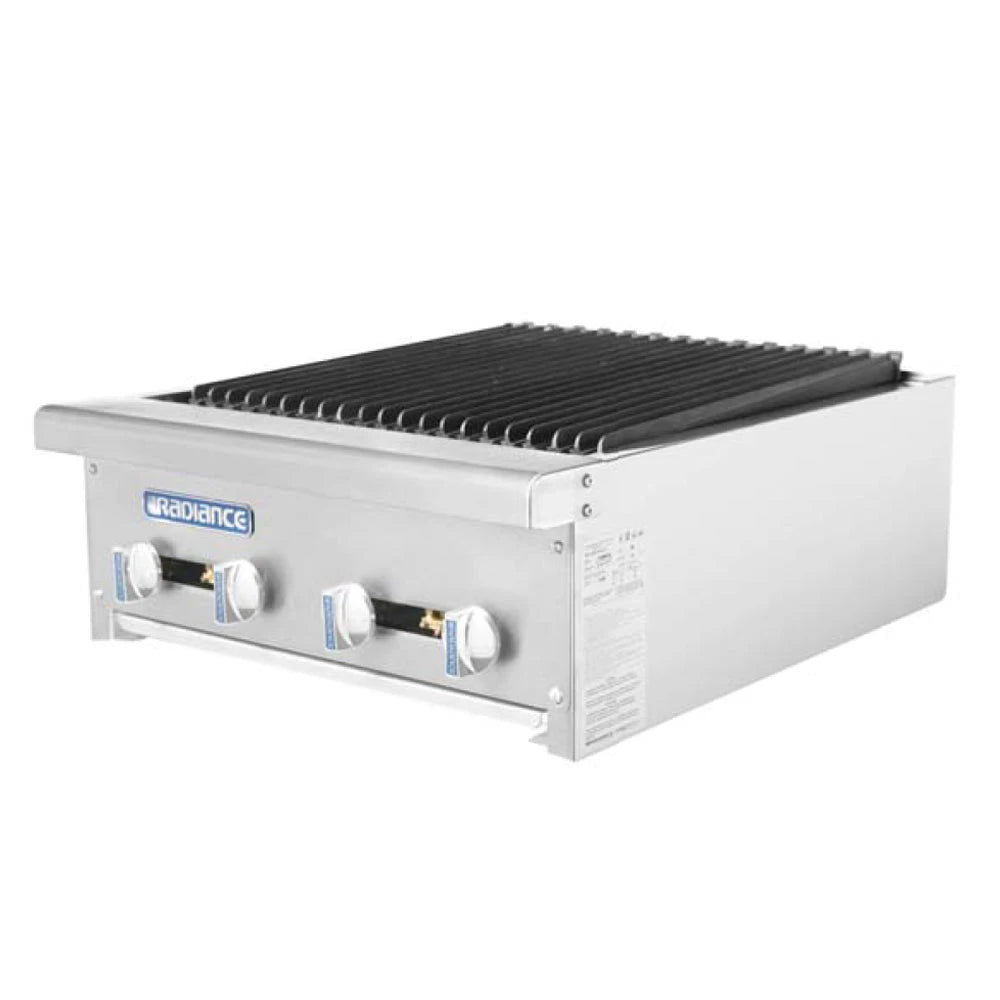
Below-fired grills and griddles have different working surfaces
Vulcan's VTEC36 offers optional closer-spaced fish grates. That changes the support available to delicate portions. Its emitter panels are also functional parts of the assembly, protecting burners from drippings and shaping the heat arrangement. The manual calls for correct installation, cleaning, drying and replacement as needed; it prohibits pan-covered burn-off and foil that obstructs airflow. Vulcan VTEC36, VTEC operating manual.
When comparing a new or used charbroiler, inspect the grates, emitters and grease path, not just the exterior cabinet. Missing, distorted or inappropriate working components can change how the machine cooks. Establish their replacement route before accepting an apparently attractive used price.
Japanese specialty grills provide further differences in support and adjustment. Maruzen's electric carbon-lamp series distinguishes two-position skewer supports from a four-position general-purpose grid. Its gas overhead series distinguishes shelf-position adjustment from lever-operated arrangements. These are useful engineering choices; their Japanese-market documentation does not establish a supported U.S. order. Maruzen electric below-fired grills, Maruzen gas overhead grills.
Specify the heat source, adjustment and food support rather than relying on a translated grill name. “Infrared” describes radiant heating; the useful differences are the emitter, shielding, source distance and the way the food is held.
A griddle supplies a continuous contact surface instead of grate support. That can suit small or delicate portions and menu items whose browned underside matters. Vulcan's VCRG-T manual describes thermostatically controlled 12-inch plate sections. Those controls relate to plate regions, not food-core temperature or identical temperature at every point after loading. The VCRG36-T is presented for light-to-medium duty and should be judged within that role. Vulcan VCRG-T manual, Vulcan VCRG36-T.
The griddle earns space through the actual contact-cooking menu. Its grease route, scraping access, useful plate between loads and permitted accessories matter. Adding a pan or lid changes the heating and moisture arrangement and must suit the appliance; a broad flat top is not a universal substitute for a dedicated gyoza cooker.
Charcoal includes the vessel and the entire fuel operation
The vessel surrounding the charcoal is part of the cooking tool. Kaginushi's account of production in Suzu, in the Noto region, distinguishes formed diatomaceous-earth products from cut-out and assembled refractory constructions. Its explanation of porosity and insulation gives substance to the object beyond the retail names konro and shichirin. Those names do not guarantee one material or method of manufacture. Kaginushi, maker context, Kaginushi, charcoal-cooker construction.
Insulation is not a safe-to-touch claim, and a compact vessel is not a complete indoor installation. CPSC warns that charcoal produces carbon monoxide and that ordinary charcoal grills must not be used indoors, even with ventilation. Purpose-designed commercial solid-fuel cooking requires its own accepted appliance, location, exhaust and fire-protection arrangement. CPSC, charcoal and carbon monoxide.
The commercial duty begins before the first order and continues after the last: approved lighting, tending, replenishment, residual heat, fuel storage and hot-fuel/ash handling. ASHRAE identifies additional solid-fuel concerns involving embers and combustible deposits; burning fuel also cannot be shut off like gas or electrical input. Those mechanisms explain why a solid-fuel proposal needs distinct review rather than a generic hood assumption. ASHRAE, Kitchen Ventilation, solid-fuel and fire-protection discussion.
A restaurant should commit to charcoal when it wants the actual cooking result and can consistently perform the whole operation. Low grill acquisition cost or little visible smoke does not settle that decision.
Aburi: a local finish with a finite tool and operator duty
A torch places heat where the cook directs it. That precision is useful, but each piece occupies someone's attention. Repeated torch work should be compared through finished portions and available hands, not just fuel cost or advertised flame temperature.
Iwatani's U.S. FAQ requires its brand of fuel for its butane products and limits torch use to no more than five continuous minutes. Approximate canister endurance is a different measure; it is not permission to operate continuously for that duration. Keep the selected tool's orientation, ignition and storage instructions with its actual market version. Iwatani Corporation of America, FAQ.
The working position must be stable and suitable for the flame and fuel handling. A tabletop finish beside vulnerable materials does not become acceptable because the tool is small. Surface color also does not prove that the portion is cooked throughout. Where the underlying food remains raw or undercooked, its applicable controls remain; briefly torching a chilled cooked item likewise does not automatically satisfy a hot-holding reheat duty.
Explore the ERS collection
Ranges & Grills
Compare the assortment for this part of your service.
-
 Image unavailable
Turbo Air Radiance Charbroiler, 4 Burners, Countertop, 24"Wx30"D
View details & options : Turbo Air Radiance Charbroiler, 4 Burners, Countertop, 24"Wx30"D
Image unavailable
Turbo Air Radiance Charbroiler, 4 Burners, Countertop, 24"Wx30"D
View details & options : Turbo Air Radiance Charbroiler, 4 Burners, Countertop, 24"Wx30"D
-
 Image unavailable
48" 8-Burner Hot Plate
View details & options : 48" 8-Burner Hot Plate
Image unavailable
48" 8-Burner Hot Plate
View details & options : 48" 8-Burner Hot Plate
-
 Image unavailable
Turbo Air Radiance Stock Pot Gas Range, 3-Ring Double Burners, 18"W
View details & options : Turbo Air Radiance Stock Pot Gas Range, 3-Ring Double Burners, 18"W
Image unavailable
Turbo Air Radiance Stock Pot Gas Range, 3-Ring Double Burners, 18"W
View details & options : Turbo Air Radiance Stock Pot Gas Range, 3-Ring Double Burners, 18"W
-
 Image unavailable
36" 6-Burner Hot Plate
View details & options : 36" 6-Burner Hot Plate
Image unavailable
36" 6-Burner Hot Plate
View details & options : 36" 6-Burner Hot Plate
-
 Image unavailable
Blue Air BLR36-6B 36" Gas Range with Oven
View details & options : Blue Air BLR36-6B 36" Gas Range with Oven
Image unavailable
Blue Air BLR36-6B 36" Gas Range with Oven
View details & options : Blue Air BLR36-6B 36" Gas Range with Oven


05 / Equipment & Specialty Supplies
5. Steam cooking, chawanmushi and ovens
The chamber heats the vessel as well as the food
Pot-based and stacked steaming remain useful arrangements for modest production. They give the cook direct responsibility for the water charge, heat, refill and access. A powered steamer adds its own chamber, sensing and water-management design. Neither removes the cup, cover or inner vessel through which heat reaches the food.
Covered chawanmushi cups are not the same load as exposed vegetables in a perforated pan. A covered inner vessel may be exactly right for steam-simmered octopus. The correct pan arrangement follows the preparation; “use perforated pans” is not a complete steaming instruction.
Vessel height with its cover, filled depth, solid ingredients, spacing and removal all influence the practical load. The operator must be able to reach and withdraw it in the actual station. A pan that just clears a rack drawing can still be an awkward hot load in service.
Chawanmushi: capacity must be demonstrated in the actual cups
Tanico publishes a chawanmushi recipe for fifteen portions using covered 150 mL vessels, a 65 mm perforated hotel pan and an 85°C steam program for 25 minutes. The useful detail is the specified cup-and-cover arrangement as well as the chamber setting. These are recipe conditions, not a validated program for another formulation or a maximum-capacity test. Tanico, chawanmushi recipe.
The original gelation work by Hisatsuka, Ogawa and Watanabe supports a qualitative relationship between formulation, heating history and the resulting custard gel. It does not give a universal commercial chamber setting for every egg mixture. Cup size and a timer cannot replace assessment of the actual preparation. Original chawanmushi gelation study.
Condensate is another physical constraint. Maruzen's technical teaching explains how drips from upper loads can damage lower custard surfaces and describes an arrangement that intercepts them. A position used for that purpose is doing useful work even though it holds no saleable portions. Any protective accessory must suit the selected appliance; improvised paper or cloth is not a transferable solution. Maruzen, chawanmushi condensate control.
Bring the actual cups, lids and recipe to the trial. Establish the filled amount and depth, starting condition, solid ingredients, cups per pan, rack positions and covered height. Run the simultaneous load and any staggered loading the service will require. Assess the surface and interior, check the required food condition independently and include unloading and service.
Multiplying a nominal rack count by the number of cups that fit on one tray is not a production result. The useful number is acceptable cups released in the required interval. That can favor a smaller accessible chamber over a larger awkwardly loaded one.
Dedicated steamers are not one control category
AccuTemp's Evolution E3/E6 manual distinguishes connected and connectionless operation, including the water charge/refill responsibilities of the latter and the specified pan arrangement. Avoiding permanent plumbing can simplify a location, but someone must still introduce, monitor and remove water and perform the cleaning. AccuTemp Evolution manual, MP4008-2508.
The separate Steam&Hold family uses vacuum technology for lower-temperature steaming. Its owner manual distinguishes thermostat cooking from fast cooking and notes the effects of covers, packaging and door openings on the process. Connectionless operation still includes a receiving drain pan and daily draining/cleaning. This is a different capability from simply fitting a warm-hold mode to a conventional steamer. AccuTemp Steam&Hold owner manual, MP4011-2502.
Choose the exact model and mode for the food, and establish its supported cooking range from the applicable operating instructions. Demonstrate the intended lower-temperature process under load, including covers and door openings, rather than buying against a family-level minimum setting.
A lower-temperature steam option may serve delicate cooking well. It does not mean a recipe developed in a different environment transfers unchanged. Likewise, a connected steamer can remove repeated manual filling while introducing supply and drainage requirements. Compare the complete operating duty.
A conventional oven can be the right purchase
Vulcan's ECO2D/ECO2C manual provides a conventional electric-convection example with a single cavity, five supplied racks, a two-speed blower and specified 208/240 V configurations. Its cooking guidance recognizes the effects of food size, shape and starting temperature. This is an oven without a combi's culinary-steam system, but with its own electrical and installation requirements. Vulcan ECO2D/ECO2C manual.
For a restaurant whose scheduled baking work includes a particular oven-style sushi egg, the comparison starts with the actual pan, depth, color, interior result, release and usable yield. A conventional oven that performs those jobs reliably may be preferable to buying steam capability the operation does not need.
Conversely, a restaurant with repeated controlled steam and roasting duties may have a sound reason to invest in a combi. The distinction is the food and production schedule, not whether one appliance appears more sophisticated.
Combi production retains handling and occupied time
Hoshizaki's thick-egg demonstration shows the work retained in an oven process: two intermediate mixing steps, turning out and shaping. Its multi-level arrangement uses two food positions and an intervening empty pan to intercept condensate. Those handling steps and that occupied space belong in the production comparison. Hoshizaki CookEverio laboratory, thick egg.
A combi can replace particular pan duties by changing the production method. The chef must approve the resulting food. Preparing pans, performing intermediate steps, unloading, releasing and cleaning remain part of the comparison even when the recipe is stored in memory.
A single chamber also has one operating environment at a time. Loads can share it when their required conditions and handling are compatible. A gentle custard course and a substantially hotter, drier fish finish cannot both be counted as simultaneous capacity simply because the appliance has programs for each.
The strongest combi purchase is often one that performs several substantial preparation jobs in reliable separate windows. A modest independent finishing or steam appliance can then protect service. Water, drainage, cleaning supplies, stand or stacking arrangement and service access belong in the installed comparison addressed below.
Low-temperature cooking requires the complete food process
A controlled water bath, a lower-temperature steam chamber and a combi provide different heating environments. Vacuum used in a steamer chamber is also different from packaging food in reduced oxygen for storage.
California imposes fish-specific reduced-oxygen restrictions and separate cook-chill/sous-vide requirements. California Retail Food Code, §§114057–114057.1 and 114419, January 2026. Evaluate the proposed process and any applicable exception together. Precise temperature control alone does not validate a cooking, cooling or storage schedule.
Specify the actual food, container/load, measurement, supported process and subsequent handling before adding specialized equipment. The wider approval and control questions belong with equipment specifications and food-safety requirements. A circulator is not a complete process purchase.
06 / Equipment & Specialty Supplies
6. Dashi, sauces, soup and stock production
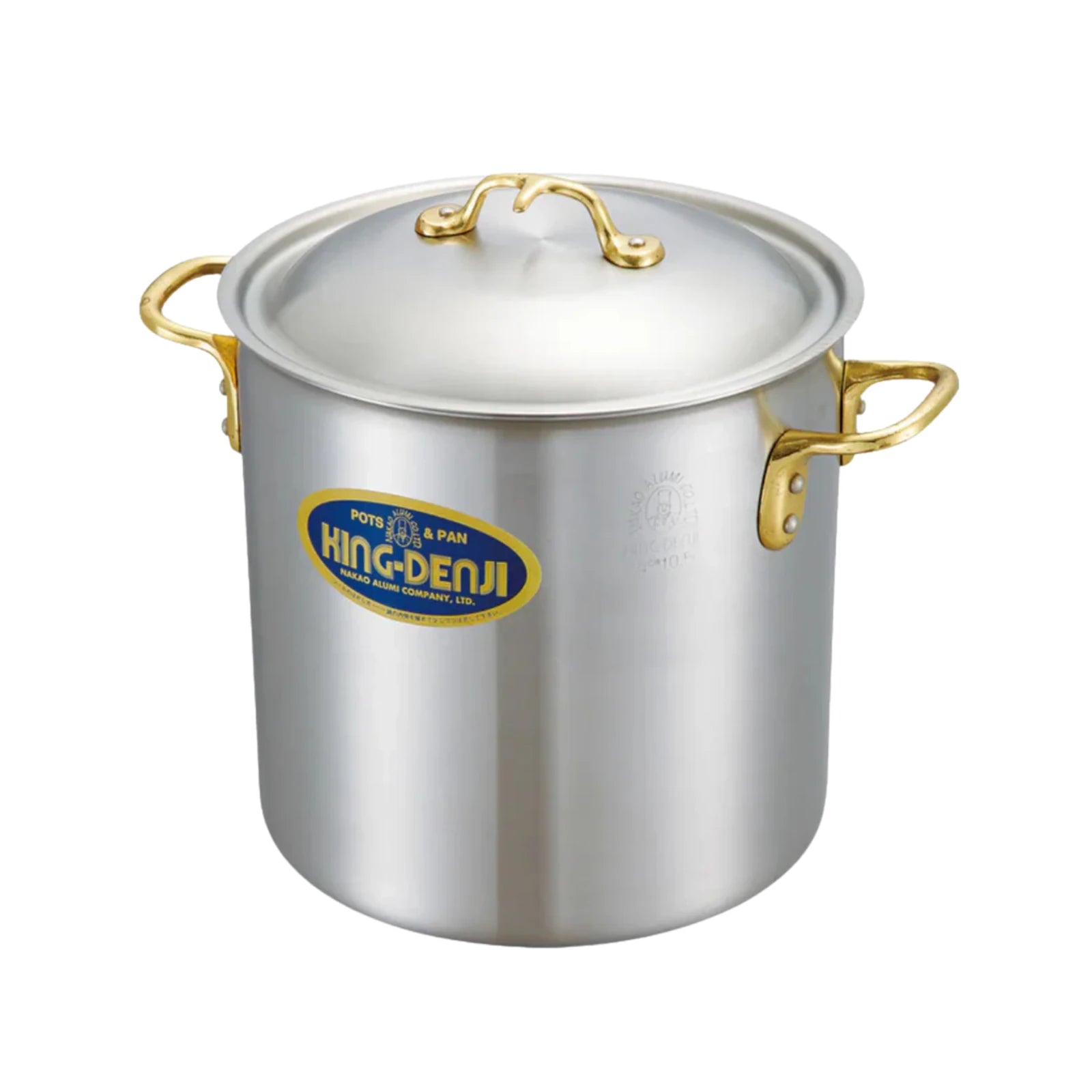
Extraction and reduction need different control
Tsuji's niban-dashi method reuses material remaining after the first extraction, with a subsequent gentle simmer and straining for uses including miso soup and simmered dishes. Even within dashi, the intended result changes the process. There is no single universal stock program to specify into every appliance. Tsuji, niban dashi.
Original kombu-extraction research found different temperature dependencies among measured components. The important consequence is that time and temperature affect composition, not simply the speed of reaching an identical endpoint. More extracted material is not automatically better dashi. Hatae and colleagues, kombu extraction study.
For an extraction, repeatable liquid conditions and timely removal/straining may be more important than maximum heating rate. For a reduction, the restaurant intentionally removes water and concentrates the food. Exposed surface, lid use, actual fill, heat distribution and attention near the endpoint become different purchasing considerations.
A powerful boil-up demonstration will not prove control near the end of tsume reduction. Nor does a good small-batch extraction prove adequate output for repeated large sauce batches. Evaluate each duty with its actual vessel before calling the heat source multipurpose.
Choose the receiving arrangement with the pot
A tall stockpot consolidates liquid volume. A lower vessel provides different access across its base and to arranged ingredients. Neither shape carries a universal promise of faster reduction or lower energy consumption; the heat source, fill, lid and food still determine the operation.
The transfer should be decided before the vessel is bought. Will the cook ladle, lift an insert or pour? What supports the strainer? Is the receiving vessel stable and large enough for the intended discharge? Is the product moving into another hot process, directly to service or into cooling?
Those questions expose the incomplete stockpot purchase: the largest vessel that fits the burner can become a batch the kitchen cannot conveniently strain or discharge. A low range may improve working height, but the contents still have to move by an appropriate method.
Jacketed kettles change both heating and discharge
Cleveland's KET-6-T is nominally six gallons/23 L, a useful reminder that a jacketed kettle need not be an industrial-scale machine. The steam jacket heats beyond the vessel base, and the tilting arrangement changes how the product can leave the kettle. It does not guarantee that every recipe can be left unattended or never scorch. Cleveland, electric steam-jacketed kettles.
The KET/TKET manual requires secure anchoring, observance of the marked fill level and attention to the size-specific pour path. It also describes a lock against accidental tilting. The kettle, support and receiving setup form one installed working area. Cleveland KET/TKET manual, KE004001-2.
Repeated useful batches, sustained cooking and difficult transfer can justify that investment. The receiving arrangement may need a stable strainer support or pan carrier matched to the actual unit. An accessory shown with another kettle size is not evidence that it is included or suitable here.
Several modest pots remain the stronger choice when the kitchen needs different sauces and extractions in small independent batches. A dedicated vessel that is too large for those jobs reduces flexibility while occupying space and capital. Its discharge capacity is also of little use if the receiving or cooling operation cannot accept the batch.
Culinary water and appliance water are separate questions
A 2025 Japanese Cookery Science conference study compared kombu extraction using several waters and found that the results did not follow a simple hardness ranking under its test conditions; ion composition was another possible influence. This is limited, food-specific evidence, not a universal taste or treatment specification. Hashimoto and colleagues, water composition and kombu extraction.
The restaurant has two questions to answer: whether the water supports the desired food, and whether it satisfies the appliance. A treatment chosen for one purpose should not be assumed to answer the other. The exact supply and treatment response for steam equipment appear in Section 10; Japanese tea, water and beverage service covers the beverage duties.
Keep the liquid's destination equally explicit. A vessel that extracts or reduces is doing production work. A rethermalizer receives a defined previously cooked load. A holding vessel preserves an already suitable incoming food. Those functions may share equipment in a planned sequence, but their capacities and requirements are not interchangeable.
07 / Equipment & Specialty Supplies
7. Gyoza and noodle cooking
Pan-fried gyoza: contact heat, water and a covered stage
For pan-fried gyoza, specify the whole sequence: arranging the pieces, the recipe-directed water addition and covered stage, developing the browned underside and releasing the food. The order of heat and water addition follows the particular product and method. “Sear dumplings” is an incomplete equipment specification.
Ling Ling's pork-and-vegetable potsticker instructions specify water and a cover for the arranged frozen pieces, followed by an uncovered finish. The water quantity changes with pan diameter. These are instructions for that product, not a universal restaurant recipe or throughput rating. Ling Ling, pork-and-vegetable potstickers.
For modest intermittent demand, a suitable pan and controlled heat can be the most adaptable purchase. Its cost is repeated operator attention to the transitions. Pan area alone is insufficient if the cook cannot cover, uncover and remove the intended batch cleanly.
Maruzen's MAZ automatic gas line controls a more explicit sequence: browning, water supply, steaming and final browning, with settings for pan temperature, time, water quantity and the start of the finish. Its stainless-steel cooking surface is part of an iron/stainless clad plate; the removable lid gives access for cleaning. This is more specific functionality than a timer added to a generic griddle. Maruzen, automatic gyoza cookers.
The manufacturer's October 2025 catalog calculates advertised production using assumed cooking cycles. Those figures need the restaurant's dumpling, arrangement and loading/removal routine before becoming a service forecast. Maruzen's MIZ induction line adds another route using dedicated removable pans, lids and guides for small-lot work; it does not authorize substituting arbitrary induction cookware. Both are Japanese-market design examples requiring a separately established U.S. purchasing and installation route. Maruzen, gyoza catalog, Maruzen MIZ induction gyoza equipment.
Test what the automation actually releases the cook to do. Controlled water and transitions may free attention when another station needs it. Loading, prompt removal, plating, replenishment and cleaning remain. An end-of-cycle signal cannot protect the intended underside indefinitely while the cook is elsewhere.
Noodle boilers manage successive loads and the water itself
Fresh, dried, frozen prepared and pre-cooked noodles are different incoming products. Establish the actual portion and preparation method before specifying baskets or a tank. Six basket positions do not represent six interchangeable orders when the menu uses different noodles and cycles.
The equipment must manage repeated food loads, replacement water and starch or fragments. Replenishment that improves water condition also introduces another heating load. A single portion in freshly heated water will not demonstrate that repeated service.
Maruzen's MREY electric design includes immersed heaters, shutters over unused basket positions, water controls, removable splash protection and an overflow/drain arrangement. Its standby setting concerns water between cooking periods, not holding cooked noodles. Maruzen MREY noodle boilers.
The MREY-L automatic line adds timed lifting and a described heat-exchange arrangement that uses steam to warm incoming water at the basket support. A separate induction udon design removes immersed heaters from the vessel and provides collection at the drain and overflow. These are distinct timing, water-management and cleaning choices, not features to combine into one imaginary machine. Maruzen MREY-L, Maruzen induction udon boiler.
An automatic lift ends immersion promptly. The noodle still needs its intended draining, rinsing where the recipe requires it, and transfer to broth or plating. That receiving position must be ready.
For occasional udon, a manageable pot arrangement may be entirely credible. Dedicated equipment becomes persuasive when successive loads, independent timing, water handling or conflict with other burner work justify it. Its plumbing and cleaning obligations belong in that comparison. An occasional noodle offering does not require importing an entire ramen-kitchen equipment program.
08 / Equipment & Specialty Supplies
8. Reheating, hot holding and the pass
The incoming food determines the heating duty
Write the incoming load before choosing the appliance: refrigerated soup cooked in house, a commercially processed ready-to-eat sauce, a cooked portion for immediate service, or raw food that still needs cooking. “Warms food” does not establish suitability for all four.
California's January 2026 code distinguishes these relevant reheating duties:
Scroll to read all columns
| Food and destination | Pertinent requirement |
|---|---|
| Cooked, cooled potentially hazardous food reheated for hot holding | Generally 165°F throughout for 15 seconds |
| Commercially processed RTE food from a hermetically sealed container or intact food-processing-plant package, for hot holding | At least 135°F |
| Cooked refrigerated food prepared to an individual order for immediate service | May be served at any temperature under §114014 |
Reheat rapidly to the applicable endpoint above. Section 114016(d) limits time spent between 41°F and 165°F during reheating to two hours; the specified commercial-RTE category retains its 135°F endpoint. Microwave reheating for holding requires 165°F throughout, stirring/rotation, covering and a covered two-minute stand, except for the specified commercial products. During holding, potentially hazardous food generally must remain at least 135°F; statutory exceptions have their own conditions. California Retail Food Code, §§113996 and 114014–114016.
These provisions do not waive initial cooking, cooling or raw-food controls. Check the food rather than treating a cabinet display or successful reheat as proof of its condition throughout service.
The equipment consequence is immediate. A gentle finish used for a cooked portion served to order does not establish a suitable process for a container that will enter hot holding. The destination belongs in the specification alongside the starting condition and quantity.
A rethermalizer has an intended load and heat-transfer arrangement
Vollrath's Heat 'N Serve manual identifies the HS-7/HS-11 family, including 72009, for reheating containers of previously cooked refrigerated food and holding hot food. It excludes raw cooking and specifies water, preheating, a covered inset and food-temperature monitoring. It also prohibits adding cold food to food already being reheated or held. The currently linked manual is dated August 2026. Vollrath, Heat 'N Serve operator manual.
Those instructions are more informative than the sales label “soup warmer.” They establish the accepted incoming condition and the way heat reaches the container. The actual food consistency, fill, inset and temperature history must still fit the required process. A large nominal vessel does not prove that every dense cold load will reheat appropriately.
Replenishment can also determine the purchase. If the only well must dispense current orders while reheating the next batch, the service loses capacity in the transition. A separate preparation heat source and another suitable clean inset may solve the problem more effectively than a larger holding volume.
Follow the manufacturer's operating conditions as well as the applicable food requirements. A lower statutory minimum is not permission to reduce the equipment's instructed operating setting or change its intended use.
Commercial microwaves deserve an ordinary technical evaluation
Panasonic's NE-12523 illustrates the difference between cooking output and electrical supply: 1,200 W output, a specified 120 V/17.7 A input and NEMA 5-20R receptacle. Its cavity is 13 × 12 × 6⅞ inches. The real container and cover must fit that space, and the electrical installation must satisfy the input requirement rather than the output number on a sales heading. Panasonic NE-12523 consultant specification.
Its operating instructions address starting condition, food quantity, suitable containers, programmable stages and care. A memory button reproduces a program; it does not measure the food. A change in portion, composition, fill or starting temperature needs the appropriate verification rather than a universal time multiplier. Panasonic operating instructions covering NE-12523.
A commercial microwave can be a strong service tool for a defined reheating portion that does not require dry surface browning. A separate finish can then perform the surface duty. Conversely, a compact cavity may be unsuitable for a large preparation container even when its output rating sounds sufficient. Assess the complete sequence, including any required handling and standing time after the heating countdown.
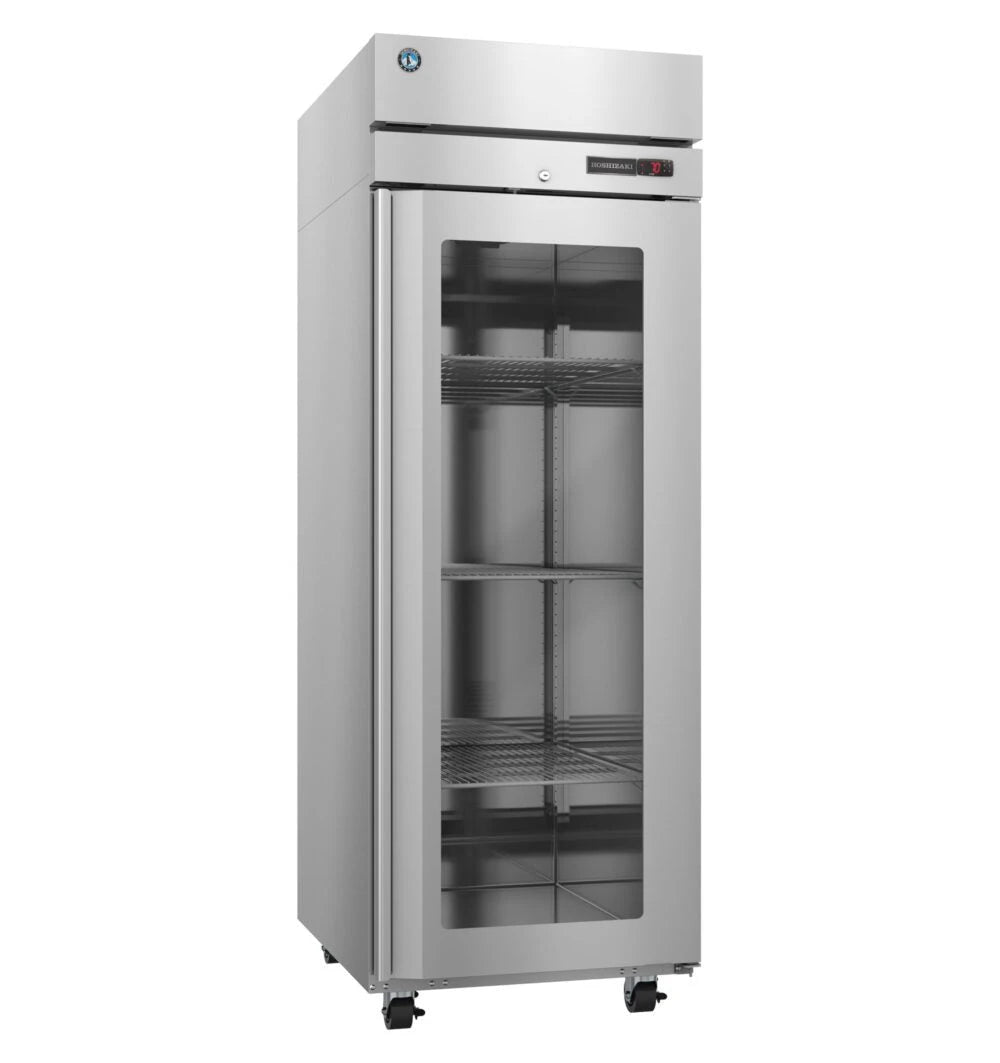
Holding cabinets need the right incoming load
Hoshizaki's Steelheart heated-cabinet documentation describes storage of heated prepared food, requires preheating and airflow around the contents, excludes cool or uncooked food, and specifies heat-resistant protection or sealed containers. This is an already-hot holding duty, not unrestricted rethermalization. Hoshizaki Steelheart heated-cabinet manual.
Cabinet volume and shelf count therefore cannot be treated as the amount of cold food the unit can safely bring to temperature. Nor will raising the dial necessarily correct an inappropriate incoming load or obstructed arrangement.
Hatco's FSHC-7W adds another control distinction. Its March 2025 manual says the display reports the cabinet's lowest temperature point, not food temperature, and its humidity control uses levels 1–5 rather than a percentage relative-humidity reading. Its holding guidance depends on the food's preparation and temperature. Hatco FSHC-7W manual, FSHC7WM-0325.
Two cabinets with different displays should not be compared as if they measure the same thing. A manufacturer's onion-ring or fried-chicken guidance also does not establish a tempura holding limit. The actual ingredient, coating, incoming condition, container and desired result need their own evaluation.
Crispness is not controlled by cabinet air alone
Taniguchi and colleagues' 2023 study examined tempura made with several grain flours using small preheated sweet-potato samples and formulation adjustments. Its measurements found differing moisture and texture changes among coatings, including migration from the ingredient into the coating. This was not a commercial holding-cabinet trial or a food-safety schedule. Taniguchi et al., tempura crispness and moisture.
The purchasing implication is that air management cannot be assumed to remove the moisture source inside the food. A crispness result for batter without food, another ingredient or another flour does not establish the restaurant's result. Test the actual piece after draining and after the pass delay the service creates. “Still hot” and “still the intended tempura” are different judgments.
For soup, a larger production batch may remain sensible when reheating, dispensing and fresh-container replenishment are organized. For fragile fried food, smaller releases can deliver more acceptable portions even if they reduce the maximum amount simultaneously in the vat. Holding equipment should preserve a defined food, not justify producing it earlier than the service can use it.
The pass is a working position: supports, tools, covers where appropriate, plates and bowls, checks and a person ready to release the order. If gyoza finishes before the fish and tempura finishes before both, the first remedy is the firing and release sequence. A cabinet or overhead heat source does not automatically reconcile those different foods.
Explore the ERS collection
Commercial Food Warmers
Compare the assortment for this part of your service.
-
 Image unavailable
Hoshizaki HC1A-FGE-FGE 23.82 Cu. Ft. Full Glass Door Pass-Thru Heated Holding Cabinet
View details & options : Hoshizaki HC1A-FGE-FGE 23.82 Cu. Ft. Full Glass Door Pass-Thru Heated Holding Cabinet
Image unavailable
Hoshizaki HC1A-FGE-FGE 23.82 Cu. Ft. Full Glass Door Pass-Thru Heated Holding Cabinet
View details & options : Hoshizaki HC1A-FGE-FGE 23.82 Cu. Ft. Full Glass Door Pass-Thru Heated Holding Cabinet
-
 Image unavailable
Hoshizaki HC1A-HGE-HGE 23.82 Cu. Ft. Half Glass Door Pass-Thru Heated Holding Cabinet
View details & options : Hoshizaki HC1A-HGE-HGE 23.82 Cu. Ft. Half Glass Door Pass-Thru Heated Holding Cabinet
Image unavailable
Hoshizaki HC1A-HGE-HGE 23.82 Cu. Ft. Half Glass Door Pass-Thru Heated Holding Cabinet
View details & options : Hoshizaki HC1A-HGE-HGE 23.82 Cu. Ft. Half Glass Door Pass-Thru Heated Holding Cabinet
-
 Image unavailable
Hoshizaki HC2A-FGE-FGE 52.4 Cu. Ft. Full Glass Door Pass-Thru Heated Holding Cabinet
View details & options : Hoshizaki HC2A-FGE-FGE 52.4 Cu. Ft. Full Glass Door Pass-Thru Heated Holding Cabinet
Image unavailable
Hoshizaki HC2A-FGE-FGE 52.4 Cu. Ft. Full Glass Door Pass-Thru Heated Holding Cabinet
View details & options : Hoshizaki HC2A-FGE-FGE 52.4 Cu. Ft. Full Glass Door Pass-Thru Heated Holding Cabinet
-
 Image unavailable
Hoshizaki HC2A-FS-FS 52.4 Cu. Ft. Full Stainless Door Pass-Thru Heated Holding Cabinet
View details & options : Hoshizaki HC2A-FS-FS 52.4 Cu. Ft. Full Stainless Door Pass-Thru Heated Holding Cabinet
Image unavailable
Hoshizaki HC2A-FS-FS 52.4 Cu. Ft. Full Stainless Door Pass-Thru Heated Holding Cabinet
View details & options : Hoshizaki HC2A-FS-FS 52.4 Cu. Ft. Full Stainless Door Pass-Thru Heated Holding Cabinet
-
 Image unavailable
Hoshizaki HC2A-HS-HS 52.1 Cu. Ft. Half Stainless Door Pass-Thru Heated Holding Cabinet
View details & options : Hoshizaki HC2A-HS-HS 52.1 Cu. Ft. Half Stainless Door Pass-Thru Heated Holding Cabinet
Image unavailable
Hoshizaki HC2A-HS-HS 52.1 Cu. Ft. Half Stainless Door Pass-Thru Heated Holding Cabinet
View details & options : Hoshizaki HC2A-HS-HS 52.1 Cu. Ft. Half Stainless Door Pass-Thru Heated Holding Cabinet
-
 Image unavailable
Hoshizaki HC2A-HGE-HGE 52.1 Cu. Ft. Half Glass Door Pass-Thru Heated Holding Cabinet
View details & options : Hoshizaki HC2A-HGE-HGE 52.1 Cu. Ft. Half Glass Door Pass-Thru Heated Holding Cabinet
Image unavailable
Hoshizaki HC2A-HGE-HGE 52.1 Cu. Ft. Half Glass Door Pass-Thru Heated Holding Cabinet
View details & options : Hoshizaki HC2A-HGE-HGE 52.1 Cu. Ft. Half Glass Door Pass-Thru Heated Holding Cabinet
-
 Image unavailable
Hoshizaki HC1A-HS-HS 23.68 Cu. Ft. Half Stainless Door Pass-Thru Heated Holding Cabinet
View details & options : Hoshizaki HC1A-HS-HS 23.68 Cu. Ft. Half Stainless Door Pass-Thru Heated Holding Cabinet
Image unavailable
Hoshizaki HC1A-HS-HS 23.68 Cu. Ft. Half Stainless Door Pass-Thru Heated Holding Cabinet
View details & options : Hoshizaki HC1A-HS-HS 23.68 Cu. Ft. Half Stainless Door Pass-Thru Heated Holding Cabinet
-
 Image unavailable
Hoshizaki HC1A-FS-FS 23.82 Cu. Ft. Full Stainless Door Pass-Thru Heated Holding Cabinet
View details & options : Hoshizaki HC1A-FS-FS 23.82 Cu. Ft. Full Stainless Door Pass-Thru Heated Holding Cabinet
Image unavailable
Hoshizaki HC1A-FS-FS 23.82 Cu. Ft. Full Stainless Door Pass-Thru Heated Holding Cabinet
View details & options : Hoshizaki HC1A-FS-FS 23.82 Cu. Ft. Full Stainless Door Pass-Thru Heated Holding Cabinet


09 / Equipment & Specialty Supplies
9. Capacity across preparation and service
Size for what must finish together
Daily volume is useful for ingredient purchasing and preparation planning. The interval that controls a service appliance is often much shorter. A small counter can need an entire custard course together; a restaurant with modest daily tempura sales can receive several orders at once. A substantial quantity of simmered filling may fit comfortably into a preparation window without requiring an enlarged service line.
Useful hot-side capacity is the amount of acceptable food reaching the required handoff. It includes the actual cooking arrangement and the work around it. For anago, that means pieces removed intact. For rolled egg, it includes the cook's repeated manipulation. For tempura, it includes separating, turning, skimming, lifting and draining. For a covered-cup load, it includes accessible unloading and the interval between the first and last cup served.
A purchasing trial should reproduce the difficult part of that service:
- Use the actual food, starting condition, vessels, covers and handling tools.
- Run the largest intended batch, then the following batch at the expected interval.
- Include the other duty competing for the equipment or cook.
- Observe acceptable released portions and the first-to-last service condition.
- Include the consequential interruption: filtering, refill, pan change, unloading or cleaning.
This is more informative than deliberately overloading the machine or timing a single demonstration batch in an otherwise empty kitchen. It does not replace a validated food process where one is required.
- 01Load and cook
- 02Release acceptable food
- 03Unload and transfer
- 04Clean and recover
- 05Ready for the next load
Occupied time includes the operations required before a shared appliance can accept its next assignment.
Occupied time determines whether equipment can really be shared
A chamber is occupied during setup/preheat, loading, cooking, unloading and any holding that follows. Count recovery and any change of temperature or moisture conditions needed before the next duty, too. A fryer is unavailable during its prescribed draining/filtering work. A cook handling a delicate hot load cannot be counted as simultaneously available for another attention-intensive process.
Some duties share equipment well because they occur at different times. Others can share a chamber only if their climate and handling requirements are compatible. A program menu does not create independent cooking environments.
In one of our hot-kitchen specification reviews, the proposed answer to a delayed steam course was a larger combi. The existing unit already had sufficient tray space. The conflict was a glazed-fish finish occupying the same chamber when the custards needed it. Retaining the chamber and giving the finish an appropriate independent broiler addressed the actual problem. Buying more space inside the same occupied climate would have preserved the conflict while increasing the purchase and installation burden.
That distinction should govern expansion. Buy more room in one appliance when the constraint is a larger compatible load. Buy independent capacity when the constraint is simultaneity. Change the preparation window, sourcing route or menu when another machine creates disproportionate complexity. None of those answers is inherently less professional than choosing the largest appliance.
Incompatible cooking environments compete for one chamber.
A suitable independent finisher can leave the chamber available for steam production.
Conceptual relationships. No measured cook time, released output or tested appliance pairing is implied.
A compact cooked-neta kitchen
For a restaurant making anago, cooked shrimp, tamago, fillings and dashi with a limited hot menu, much of the substantial work may occur before guests arrive. The first investment is the correct vessel, support, control and receiving arrangement for those foods.
A shallow pan that accommodates the anago and a heat source that supports the chef's egg technique can be more valuable than unused burners. A second modest position may be justified when a long reduction otherwise occupies the only suitable service source. A larger egg pan does not solve a process whose constraint is skilled manipulation.
The selected tamago route changes the chamber decision. A limited set of pan preparations may not justify a combi; repeated oven-style egg and steam-course production may. Buying cooked components can remove particular preparation duties while retaining service finishing. These are concrete distinctions within a traditional or full-service sushi operation, not a universal small-restaurant package.
A broader hot menu
Tempura, gyoza, fish and noodle orders can converge on the same cook. More vat area will not help when the cook is already committed to separating wet batter, lifting noodles and uncovering dumplings. The next useful investment may be a receiving surface, a revised station arrangement, another operator or automation of a particular transition.
Separate finishing can protect steam production. Separate frying can preserve a deliberate food, oil or allergen-control arrangement. In each case, the added capacity must remain available for its intended purpose during the peak interval.
For high-volume sushi restaurants, repeat loads and recovery deserve particular attention, but an hourly headline still does not describe the mixed order. Test the menu's actual sequence and staff work. A larger appliance can amplify the wrong bottleneck by producing more food that waits.
Shared hospitality production
A hotel or other shared kitchen can have ample nominal equipment and little dependable availability. Banquet preparation, another outlet's service and cleaning can occupy the exact window the sushi operation needs. The allocation must name the equipment, condition and time, together with unloading and the cooling destination.
First establish whether a reliable preparation window and downstream reservation solve the problem. If the sushi service cannot depend on that window, independent equipment may be justified even when the shared kitchen's total capacity looks generous. A backup is useful only if it can perform the retained duty with the actual staff, vessels and utilities. The wider operating context belongs with sushi programs in hospitality venues.
The cooking batch must fit the next operation
The vessel that cooks the food need not be the right container for cooling it. Specify the outgoing amount, piece geometry, retained liquid, receiving pans, actual food depth, transfer path and person available when cooking ends. Fragile anago and a bulk liquid cannot be treated as interchangeable loads.
California requires cooked potentially hazardous food to cool from 135°F to 70°F within two hours, then to 41°F within six hours total. California Retail Food Code, §§114002–114002.1. The food's temperature history governs, not the appliance's advertised cycle.
Increasing hot output may require more receiving positions rather than deeper fill in the same container. Several cooking batches can also converge on one cooling window. A larger kettle or oven is not a complete production improvement until that downstream work is resolved.
Finished cooled food needs a destination in refrigerated reserve. Leaving it in the cooling chamber while storage is found postpones the next hot load. The chamber's holding capability can be useful, but it does not make the same space available for another cooling cycle.
Seafood refrigeration and cold-chain equipment covers the chilling equipment, tested loads and subsequent storage. The hot-side decision is the cooked load and transfer that equipment must receive. Whole-operation workflow and capacity planning extends the scheduling question beyond the hot kitchen.
10 / Equipment & Specialty Supplies
10. Utilities, ventilation and installed fit
Establish the actual jurisdiction and cooking duty
“Los Angeles” is not one universal approval route. Los Angeles County Environmental Health's retail plan-check program excludes Long Beach, Pasadena and Vernon, which have their own health departments. Building and fire responsibility must also be established for the project's address. Los Angeles County, retail plan check.
County construction guidance calls for the menu, equipment and utility information, and mechanical-exhaust plans including makeup air. It identifies fan/filter specifications and static-pressure calculations and says third-party air-balance verification may be required. Its limited exemption for up to two electric cooking appliances depends on the department's determination and manufacturer-recommended use; it is not automatic permission for two unhooded cooking stations. Los Angeles County, retail-food construction requirements.
Submit what the kitchen will actually cook and how: frying, fatty fish, glazing, steam production and solid fuel where proposed. An existing hood does not establish that a replacement machine or changed menu fits its approved duty. Health, building and fire questions may require different determinations; a health exemption does not settle the entire installation. Los Angeles County, Retail Food Inspection Guide, ventilation provisions.
Capture, replacement air and room heat
Type I hoods address grease and smoke. Type II arrangements address heat or moisture from non-grease-producing duties. An oven, kettle or steamer name alone does not establish the category; its actual process and accepted installation matter. Greenheck's literature illustrates the separate hood constructions and intended duties. Greenheck, Commercial Kitchen Ventilation Hoods.
Hood geometry and replacement-air distribution also affect capture. ASHRAE explains that cross drafts, including a fan aimed toward the cooking area, can defeat performance; increasing exhaust alone is not a dependable cure. Recirculating equipment still leaves heat and moisture for the building design to address. ASHRAE, Kitchen Ventilation, hood performance and HVAC integration.
That interaction matters beside refrigerated sushi work. A compact fryer or steam outlet can impose a substantial heat/emissions burden despite its small counter footprint. The designer must account for the cooking station, replacement air and adjacent cold work together. There is no useful universal separation distance or makeup-air percentage to prescribe without the site and equipment.
Electric heating removes a fuel-gas connection from the appliance; it does not remove the food's grease, steam or heat. Nor can room-conditioning savings be calculated by comparing maximum input ratings alone.
Ventless describes several different purchases
Condensation treatment. Rational distinguishes UltraVent's condensation function from UltraVent Plus, which adds smoke filtration. The exact compatible appliance, size, accessory and configuration must be identified. An accessory-family name does not establish every gas/electric or stacked installation. Condensing visible steam is a different task from treating the output of fish roasting or glazing. Rational U.S., UltraVent and UltraVent Plus.
Appliance-specific exemption evidence. Rational's U.S. iCombi 6/10 half-size packet includes identified models, certification material and older grease-emissions reports with specified cooking conditions. Those emissions reports expressly did not evaluate fire protection. That is a limit of those reports, not a statement that the manufacturer has no other certifications. The illustrated UltraVent Plus configuration also has electric-only applicability. Obtain the current documents for the exact offered unit and proposed arrangement; the packet is not a universal no-hood or no-suppression approval. Rational, U.S. exhaust-hood exemption information.
Integrated recirculating cooking. Wells' WVFG combines a griddle and fryer with four-stage filtration, airflow monitoring and cooking interlocks. Missing or clogged required filters and a fire condition can disable cooking. The ANSUL R-102 protection requires authorized charging and certification after installation and before first use. The maker describes UL 710B compliance; the offered configuration and local acceptance still must match. Wells WVFG.
The linked WVFG specification lists 208 V variants at 10.8 kW and 240 V variants at 11.7 kW, with specified phase options. Self-contained does not mean an ordinary countertop receptacle. The document also calls for room-air provision to dilute cooking aromas; recirculation is not a promise of odor-free operation. Wells WVFG/WVFGRW specification, November 2021.
The manufacturer-hosted WVFG service manual requires replacement rather than washing/wetting of the prefilter and filter pack, and authorized periodic ANSUL service including its specified six-month inspection. Its remote-manual-pull arrangement requires four fixed legs because moving that configuration can discharge suppression. Verify the serial-appropriate current instructions before relying on advertised mobility for cleaning or service access; the retrieved service document is dated April 2018. Wells WVFG service manual.
Compare the complete ventless route with the complete ducted route. Avoiding a difficult duct path can be valuable, while filters, accepted cooking limits, controls, recurring service and room conditions remain ownership obligations. A ducted installation may better suit broader cooking but require more building work. Neither comparison is complete at the appliance price, and an integrated system's approval cannot simply be transferred to a different cooking appliance placed beneath it.
Electrical and gas details belong to the exact unit
Retain the full model/suffix, market version, voltage, frequency, phase, input demand and connection in the order. For used equipment, obtain the actual nameplate and serial identity. A seller's generic family description is insufficient.
The HPI4-3800's connection, the NE-12523's microwave input and the WVFG's configured supply illustrate different requirements. Two nearby sockets do not prove that the planned appliances have the required circuits or that the facility supports their concurrent operation. The electrical professional must establish that supply.
Gas suitability likewise includes the correct gas type and supply under the intended load, not just a connection that can be made to fit. Do not treat an improvised conversion or transformer as the assumed route for an attractive foreign-market model. Resolve the manufacturer's supported configuration and applicable approval before purchase.
Water treatment must match the appliance
Rational's U.S. iCombi installation manual V11.1, April 2026, separately addresses chlorine, chloride, conductivity and hardness. It requires activated carbon above 0.2 mg/L chlorine and reverse osmosis above 80 mg/L chloride, while retaining minimum conductivity of 50 µS/cm and minimum treated-water hardness of 5°dH. Its statement that upstream scale softening is unnecessary depends on following the specified iCombi care procedures. Rational, U.S. iCombi installation manual.
AccuTemp's February 2026 N3/P3 connected Evolution specification states no required filtration/treatment, no scheduled deliming and no water-quality warranty exclusions for that design. It still has its operating, cleaning and connection requirements. This is a different appliance route, not a universal steamer rule. AccuTemp N3/P3 connected Evolution, MM4260-2602.
“Remove more minerals” is therefore not a universal protection strategy. A TDS reading also does not replace separately specified chloride, chlorine, hardness or conductivity information. Match actual source water and operating demand to the selected machine's limits. Coordinate beverage and cooking demand, but do not assume that the same treatment branch or outlet conditions suit both.
Drainage is equally specific. The Rational manual requires steam-resistant piping, accessible overflow and size/configuration-specific trap arrangements. It distinguishes service access from minimum placement clearance. The installer must reconcile those instructions with the local waste receptor and backflow requirements; potable-water protection and liquid-waste drainage are different issues. Rational U.S. installation manual, water/drain and installation sections.
A connectionless steamer changes permanent plumbing obligations, but retains filling, monitoring, receiving and disposal work. A single assumed filter, hose and floor drain is not a complete water specification for the hot kitchen.
The working footprint is larger than the closed cabinet
Check the appliance in the positions in which it will actually be used:
- A broiler rack withdrawn with its supported food and a hot landing place available.
- An oven or steamer door open while pans and covered cups are removed.
- A kettle tilted toward a stable receiving vessel and supported strainer.
- A fryer filter pan or oil container removed for the prescribed work.
- An induction intake exposed to suitable unobstructed air.
- A service panel, filter or component accessible without dismantling an unrelated station.
Those needs sit alongside minimum combustible clearances, aisles and egress, not in place of them. Include the stand, anchoring or wall-mount arrangement, approved movement/restraints and the delivery route through doors, turns and thresholds. A unit that fits its final rectangle but cannot be delivered or serviced is not a resolved purchase.
The broader commercial specification requirements and sushi workstation design provide the wider context. For the hot-side order, the decisive test is specific: the exact unit can be delivered, supported, connected, accepted for its cooking duty, operated, cleaned and serviced at the proposed location.
11 / Equipment & Specialty Supplies
11. Buying and owning the hot kitchen
Compare complete cooking arrangements
A quotation for an appliance is not necessarily a quotation for the work it must perform. Compare the necessary objects and installed obligations on the same basis.
Scroll to read all columns
| Cooking purchase | Consequential inclusions |
|---|---|
| Induction and specialist cookware | Compatible vessel and working size, required supply, appropriate probe/measurement, stable surface and intake-air access |
| Frying station | Correct food supports and tools, draining/landing, filtration and oil handling, intended separation, exhaust and suppression |
| Steam or combi production | Actual cups/pans/covers/racks, stand or stacking arrangement, water/drain and treatment where required, cleaning supplies, commissioning and training |
| Kettle or stockpot production | Support, practical filled-load handling, receiving vessel, strainer and the onward hot or cooling route |
| Broiler or grill | Food support, mounting, extraction/fire provisions, grease management and support for working heat-path components |
| Integrated ventless equipment | Exact included appliances, configured power, filters, authorized suppression commissioning/service, room conditions and accepted use |
An accessory belongs because it enables the chosen load or operation. It does not belong merely because it is available. The same applies to a more elaborate machine: pay for functions the restaurant can use reliably, with the food it intends to serve.
Make-versus-buy belongs in this comparison too. A prepared topping can remove an in-house cooling load and a preparation position while changing ingredient cost and concentrating work at the finish. An in-house preparation can justify equipment because it defines the menu. Compare usable yield and retained work, rather than treating purchased and raw weights as equivalent output.
Operating cost follows the schedule
ENERGY STAR distinguishes cooking efficiency from idle energy rate. That distinction matters where a fryer remains ready between intermittent orders. Maximum input alone proves neither low consumption nor adequate recovery. ENERGY STAR, commercial fryer criteria.
The Department of Energy's electric-fryer cost example assumes a 14-inch open fryer cooking 150 pounds daily, sixteen operating hours a day, 365 days a year and electricity at $0.099/kWh for its federal-facility comparison. Those are model assumptions, not measured Los Angeles sushi-restaurant economics. U.S. Department of Energy, commercial fryer purchasing assumptions.
Use the restaurant's actual preheat, cooking, ready/idle and shutdown pattern, with its tariff. Include water/sewer, consumables and material ventilation/conditioning differences where they change the decision. Multiplying maximum nameplate power by every open hour is not measured consumption.
Reducing ready time is useful when the appliance can return to effective operation before it is needed. It is a poor service policy when restart or recovery conflicts with unpredictable orders. Choose a deliberate readiness schedule supported by the equipment and menu rather than switching appliances off indiscriminately between orders.
Cleaning and parts preserve useful capacity
The maintenance burden is specific to the construction: fryer debris and filtration, protected probes, charbroiler emitters and grates, pan linings, steamer water/cleaning work, cabinet airflow and the filters in an integrated ventless system. “Easy to clean” does not describe when the machine is available again or what must be replaced.
Establish who performs the work, when it occurs and which supplies or parts must be on hand. A filter interruption during service is different from a planned close-down task. A damaged emitter changes the intended heat arrangement; a damaged lining changes the pan's condition; an unavailable probe may remove the control method for which the appliance was selected.
An automatic cleaning cycle can remove particular manual tasks while retaining preparation, supplies, occupied chamber time and completion checks. Manual cleaning can be commercially sound when access is practical and the work is consistently performed. Neither “automatic” nor “maintenance-free” is an ownership plan. The broader program belongs with equipment maintenance, cleaning and replacement parts.
Warranty, repair and continuity are different promises
Vollrath's September 19, 2025 policy applies to the original commercial end user and restricts transfer without written consent. Its table gives the 4-Series induction unit two years and the temperature probe 90 days, with a footnote specifying replacement rather than service for those entries. It also identifies exclusions, including certain ports/covers and glass components, and damage associated with improper installation, maintenance failures or unauthorized modification. A two-year headline does not describe every component or remedy. Vollrath, foodservice warranty policy.
Ask how a failure is diagnosed, what is repaired or shipped, how the duty continues and which party supplies the replacement. Written coverage does not establish a local technician, stock of the needed part or immediate turnaround. Confirm those arrangements for the offered model.
A modest backup can be valuable when it performs a defined retained duty with available cookware, power and staff. An unrelated high-output appliance is not useful redundancy merely because it can make food hot. In a small cooked-neta operation, a supportable second heat source or spare compatible vessel may protect more meaningful production.
New, used and imported equipment
Certification scope must match the requirement and the actual model. California generally requires new and replacement food- and utensil-related equipment to be certified or classified for sanitation through an ANSI-accredited program. Where no applicable ANSI-certified sanitation standard exists, the enforcement agency must evaluate it for approval. A restricted-food-service-facility exception depends on the activities and enforcement officer's determination. Separately, new and replacement electrical appliances must meet applicable Underwriters Laboratories standards as determined through an ANSI-accredited certification program. These are distinct requirements; neither mandates a single certification company's logo. California Retail Food Code, §114130(b)–(d). UL's foodservice sanitation material separately describes cleanability, materials, sanitary construction and relevant performance. A familiar mark should not be assumed to cover every safety, sanitation or installation question. UL, foodservice sanitation certification.
A used unit can be an excellent purchase when its identity, condition, completeness and support are established. Obtain its nameplate/serial, original configuration, documents and repair or conversion history. A qualified assessment should address the working components: vat and drain, heating surfaces, grates/emitters, controls and protective devices, probes, seals, chamber/water condition and the complete suppression/filter assembly where fitted. Exterior cleanliness is not a condition report.
Price the work needed to restore the unit to its approved useful condition before comparing it with new equipment. Do not assume warranty transfer or treat undocumented modifications as inconsequential. UL's field-evaluation service can assess certain unlabelled, customized or modified equipment for the specific application and location; the authority determines installation acceptance. Evaluation is a possible route with an outcome to establish, not guaranteed approval after arrival. UL Solutions, field evaluations, UL, field-evaluation process and authority acceptance.
For a specialist import, preserve the technical merit while resolving the export configuration, acceptable certification/evaluation, correct utilities, usable operating/service documentation, consumables, parts and the party responsible for commissioning and repair. A Japanese domestic brochure establishes that design; it does not establish that the photographed unit can be ordered unchanged for Los Angeles.
Resolve that route before committing to the appliance. Equally, do not dismiss a valuable specialist design merely because its domestic-market version is not yet a supported American purchase. The design can inform the specification while a suitable purchasing route is established.
Bring the food, the load and the site into the same inquiry
The useful hot-kitchen inquiry identifies what the restaurant will cook, what it will buy prepared, what must finish together and the actual pans, cups or working loads. It also identifies shared equipment, project location, known utilities/exhaust and any material delivery or service constraint.
Those details allow an offer to be checked against the real cooking duty. The result may be a specialist fryer, a better-supported pan arrangement, a separate steam or finishing position, a different batch schedule or a change in sourcing. The right purchase is the one that carries the food through cooking, handling and service within a supportable installed operation.
Discuss a hot-kitchen equipment specification with ERS. For the wider project, use the complete sushi restaurant equipment and supplies checklist.