

Sushi Restaurant Concepts
All-You-Can-Eat & High-Volume Sushi Restaurants
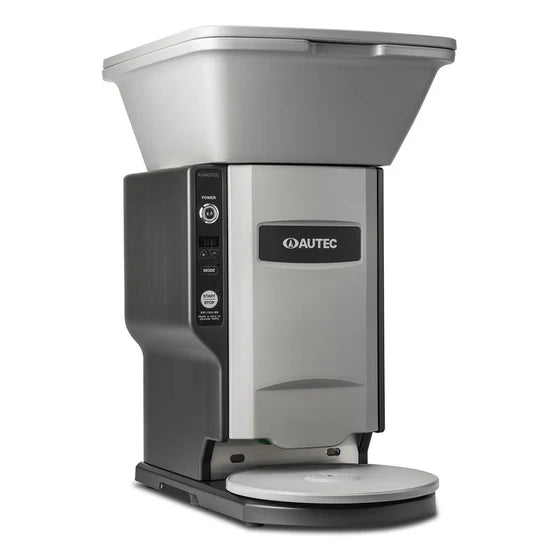
Commercial equipment, production, serviceware and continuing supply
By Eden Restaurant Supply, supplying sushi restaurants from Los Angeles since 2002.
An all-you-can-eat menu can serve a staffed sushi counter, a dining room ordering in rounds, or a guest buffet. Each places different demands on preparation, replenishment and service. A concentrated à la carte operation can put just as much pressure on rice production, cutting, finishing and the return of clean ware.
Specify the equipment around the work required to complete the menu throughout service. That includes the vessels moving prepared rice, the ingredients ready at each position, the work remaining after a sushi machine, the place where dishes are released, and the objects that must return before the next order can leave.
The right purchase may be another production appliance. It may also be a better-supplied manual position, compatible exchange containers, more usable finishing space or additional stock of the particular plate that keeps running short. The distinction becomes clear when the entire service is included in the brief.
This concept guide is part of the ERS Sushi Restaurant Equipment & Supplies Library.
In this guide 11 sections
01 / Sushi Restaurant Concepts
AYCE Service Formats and High-Volume Restaurants
Start with the places and orders the proposed equipment will serve. Table-ordered AYCE sends successive requests back through production. A buffet commits the kitchen to replenishing completed food into a guest-accessed display. A counter offer can cover only part of the restaurant: Trapper's specifies sushi-bar seating for AYCE. Total restaurant seats would therefore be an inadequate description of the offer's service positions.
The menu conditions belong in the equipment brief when they change the work accepted. A tier including sashimi, a separate hot-food selection, or a smaller roll portion introduces tasks that may use different preparation and finishing resources. Ordering cutoffs also need to be understood alongside the time required to complete the accepted work. None of those terms, by itself, establishes a consumption rate or a reliable interval between orders.
Account for the restaurant's other production at the same time. Pickup orders may use the same rice supply and cutter as the dining room. Individually priced dishes may compete with AYCE selections at the hot station. In a fully à la carte restaurant, concentrated table orders and pickup commitments can produce the same competition without an unlimited-order offer.
The resulting brief should describe the actual combination: who orders, where the food is received, which menu is available and which work shares production resources. Build the equipment selection from that description. The wider full-service restaurant model and kaiten restaurant integration have their own requirements; neither should be inferred from AYCE pricing.
03 / Sushi Restaurant Concepts
Rice Production and Replenishment
Specify the rice at the position that consumes it. Seasoned sushi rice for forming and assembly and plain rice for bowls or other dishes need their respective preparation, receiving and holding arrangements. A larger cooker does not establish how the next prepared batch reaches the chef or machine.
The transfer arrangement deserves the same attention as the cooking equipment. It includes the receiving vessel, closure, appropriate utensil, batch identification, access to the consuming position and a destination for the empty vessel. A shared rice supply needs a workable route to every position it serves. Separate working supplies need their own replenishment and return provision.
The Zojirushi RDS-400 thermal rice warmer provides a useful exact example. It is a non-electric vessel in a family that Zojirushi identifies for sushi rice and acidic ingredients. Select for the intended food and movement; a published heat-retention figure does not establish the restaurant's food-control procedure.
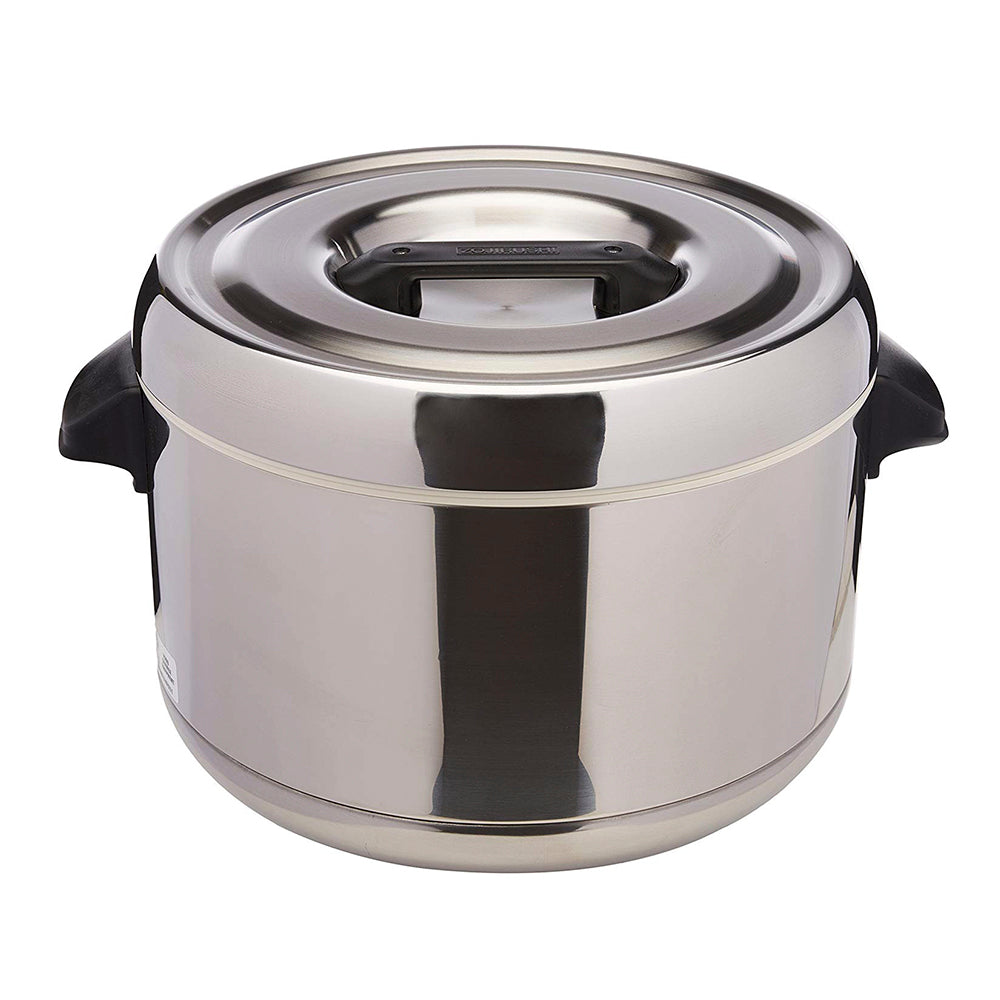
Using a larger working load can reduce the frequency of a particular exchange while changing the quantity committed to it and the handling required. Smaller exchanges can be easier to place at a working position while demanding more frequent supply and more ready assemblies. The correct size follows the transfer method and the restaurant's actual consumption at that position.
Hopper access matters too. The proposed layout must leave room for the documented loading method, the incoming vessel and the person doing the work. A shelf or adjacent appliance that clears the closed machine can still interfere with replenishment or removal of parts for care.
Resolve the applicable documented rice process and any required approvals before assigning the holding arrangement. The process must account for the food at each stage, including the vessel, hopper and finished construction; a rice-only control does not automatically answer for added ingredients. The equipment specification then includes the identification, monitoring and replacement provisions that process requires.
Use the rice cookers and warmers collection for the commercial range and the sushi rice and shari-production reference for the specialist equipment and process decisions.
Explore the ERS collection
Commercial Rice Cookers & Warmers
Compare the assortment for this part of your service.
-
 Image unavailable
Hattori Natural Gas Deck Rice Cooker, 3-Deck, 21 kg - LG-000-150
View details & options : Hattori Natural Gas Deck Rice Cooker, 3-Deck, 21 kg - LG-000-150
Image unavailable
Hattori Natural Gas Deck Rice Cooker, 3-Deck, 21 kg - LG-000-150
View details & options : Hattori Natural Gas Deck Rice Cooker, 3-Deck, 21 kg - LG-000-150
-
 Image unavailable
Hattori Natural Gas Deck Rice Cooker, 2-Deck, 14 kg - LG-000-100
View details & options : Hattori Natural Gas Deck Rice Cooker, 2-Deck, 14 kg - LG-000-100
Image unavailable
Hattori Natural Gas Deck Rice Cooker, 2-Deck, 14 kg - LG-000-100
View details & options : Hattori Natural Gas Deck Rice Cooker, 2-Deck, 14 kg - LG-000-100
-
 Image unavailable
Rinnai Commercial Natural Gas Rice Cooker, 55-Cup - RER-55AS
View details & options : Rinnai Commercial Natural Gas Rice Cooker, 55-Cup - RER-55AS
Image unavailable
Rinnai Commercial Natural Gas Rice Cooker, 55-Cup - RER-55AS
View details & options : Rinnai Commercial Natural Gas Rice Cooker, 55-Cup - RER-55AS
-
 Image unavailable
CUCKOO Commercial Rice Cooker & Warmer, 30-Cup - CR-3032
View details & options : CUCKOO Commercial Rice Cooker & Warmer, 30-Cup - CR-3032
Image unavailable
CUCKOO Commercial Rice Cooker & Warmer, 30-Cup - CR-3032
View details & options : CUCKOO Commercial Rice Cooker & Warmer, 30-Cup - CR-3032
-
 Image unavailable
Zojirushi Commercial Electric Rice Warmer, 8L (44-Cup) - THA-803S
View details & options : Zojirushi Commercial Electric Rice Warmer, 8L (44-Cup) - THA-803S
Image unavailable
Zojirushi Commercial Electric Rice Warmer, 8L (44-Cup) - THA-803S
View details & options : Zojirushi Commercial Electric Rice Warmer, 8L (44-Cup) - THA-803S
-
 Image unavailable
Tiger 3-Cup Rice Cooker & Warmer, Floral White - JNP-0550-FL
View details & options : Tiger 3-Cup Rice Cooker & Warmer, Floral White - JNP-0550-FL
Image unavailable
Tiger 3-Cup Rice Cooker & Warmer, Floral White - JNP-0550-FL
View details & options : Tiger 3-Cup Rice Cooker & Warmer, Floral White - JNP-0550-FL
-
 Image unavailable
Zojirushi Commercial Thermal Rice Warmer, 4L (22-Cup) - RDS-400
View details & options : Zojirushi Commercial Thermal Rice Warmer, 4L (22-Cup) - RDS-400
Image unavailable
Zojirushi Commercial Thermal Rice Warmer, 4L (22-Cup) - RDS-400
View details & options : Zojirushi Commercial Thermal Rice Warmer, 4L (22-Cup) - RDS-400
-
 Image unavailable
Zojirushi Commercial Thermal Rice Warmer, 6L (33-Cup) - RDS-600
View details & options : Zojirushi Commercial Thermal Rice Warmer, 6L (33-Cup) - RDS-600
Image unavailable
Zojirushi Commercial Thermal Rice Warmer, 6L (33-Cup) - RDS-600
View details & options : Zojirushi Commercial Thermal Rice Warmer, 6L (33-Cup) - RDS-600


04 / Sushi Restaurant Concepts
Seafood Preparation, Refrigeration and Working Stock
Seafood in reserve storage, ingredients prepared for assembly and finished sushi waiting for service occupy different positions in production. Inventory volume alone says little about the ingredients ready for the next order.
Incoming form changes the equipment requirement. A bought-in prepared component can remove a preparation task while retaining storage, portioning and replenishment work. Producing that component in-house adds its own preparation and transfer requirements. Specify the intended food form before adding equipment for a task the restaurant may not perform.
Specify the complete working container
The pan opening is only the beginning of a fit check. Where the preparation calls for drainage, the arrangement needs an insert, a receiving pan and the appropriate cover. Cambro's Camwear colander-pan family illustrates the nested arrangement. The assembly's depth, usable food space and lid access matter alongside its nominal fractional size.
Follow that assembly from reserve into the working position. It needs somewhere to be received while the outgoing container is removed. The lid and utensil need appropriate destinations, and the identification must remain readable in use. These details determine whether replacement is a controlled exchange or an interruption that spreads across the adjacent work surface.
Choose the working refrigerator or showcase with this arrangement in mind. A chef-accessed neta case serves a different duty from the restaurant's principal reserve refrigeration. Its instructions govern loading, access and any removal required during defrost or care. Reserve space must be available while it also contains ordinary stock; an empty-cabinet demonstration overstates the space the restaurant can rely on during service.
The seafood refrigeration guide and neta-case reference develop those equipment choices. The ERS refrigeration collection is the broader commercial destination, with exact suitability determined by the selected duty and model.
Protect dry working supply as well
Nori condition belongs in the same production discussion. A hand roll eaten immediately and a roll spending longer in assembly and delivery place different demands on the ingredient and its protection. Maruyama's producer guidance distinguishes those applications; it does not give them a common holding allowance.
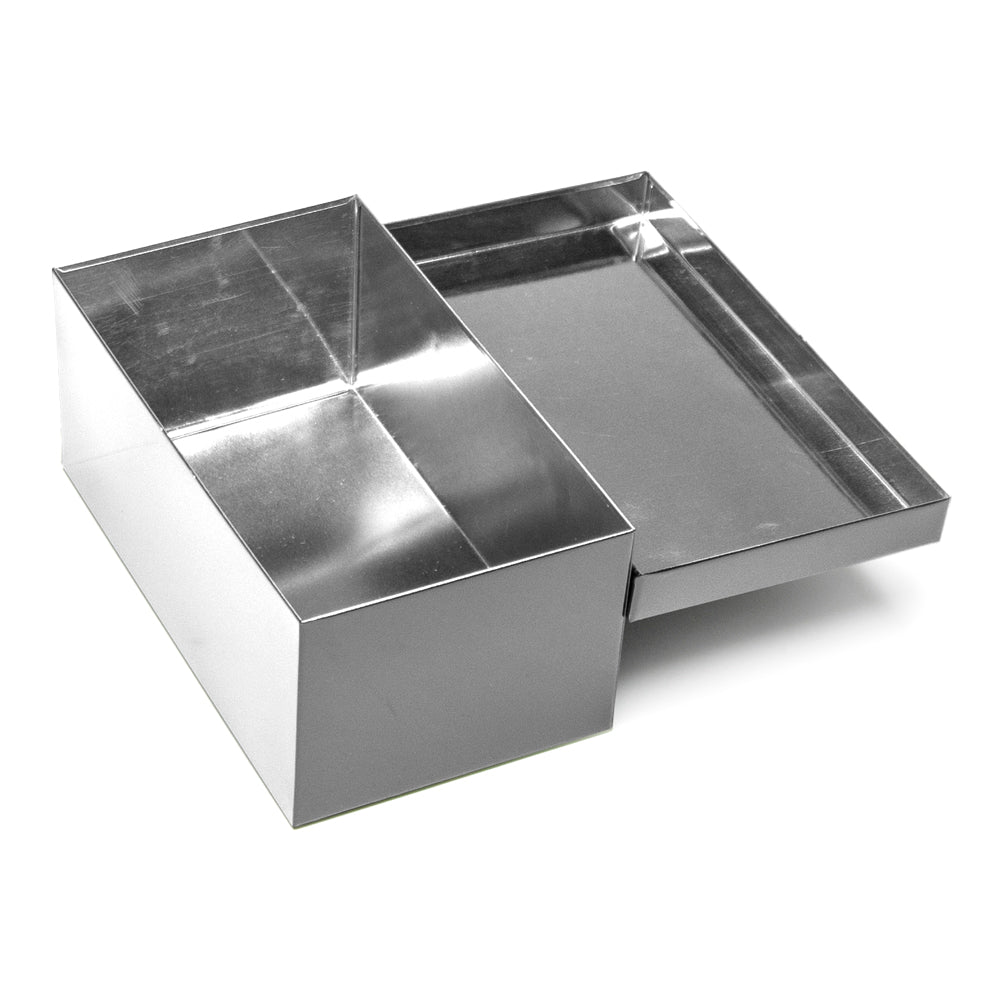
The NC-1 nori container, with a hinged lid and stainless inner base within its tin construction, is a specific working-storage example. Its value here is accessible protected supply. Internal sheet capacity, sealing performance and fit for a particular nori format should be established separately. Detailed ingredient arrangements belong in Nori Storage, Neta Preparation & Sushi Mise en Place.
Explore the ERS collection
Nori Containers
Compare the assortment for this part of your service.
-
 Image unavailable
Sushi Nori Container 9" Black
View details & options : Sushi Nori Container 9" Black
Image unavailable
Sushi Nori Container 9" Black
View details & options : Sushi Nori Container 9" Black
-
 Image unavailable
Sushi Nori Container 9.7" Red
View details & options : Sushi Nori Container 9.7" Red
Image unavailable
Sushi Nori Container 9.7" Red
View details & options : Sushi Nori Container 9.7" Red
-
 Image unavailable
Sushi Nori Container 8-1/2" Red
View details & options : Sushi Nori Container 8-1/2" Red
Image unavailable
Sushi Nori Container 8-1/2" Red
View details & options : Sushi Nori Container 8-1/2" Red
-
 Image unavailable
Nori Container 8.5", Black
View details & options : Nori Container 8.5", Black
Image unavailable
Nori Container 8.5", Black
View details & options : Nori Container 8.5", Black


05 / Sushi Restaurant Concepts
Manual Stations, Sushi Machines and Final Assembly
Compare complete production arrangements. A manual position needs usable rice, prepared ingredients, suitable tools, cutting and finishing space, and a receiving destination. Those requirements remain relevant when some of the forming work moves to a machine.
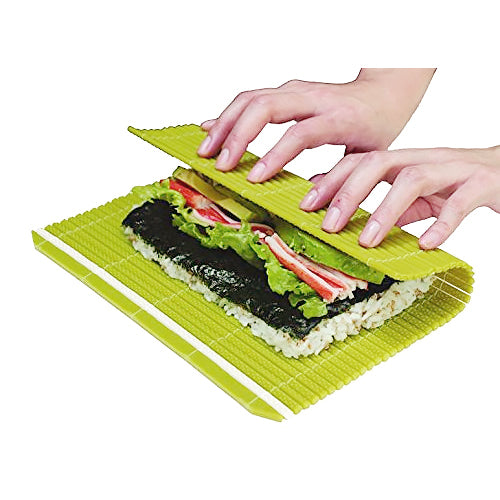
A tool such as the FMK-MG plastic rolling mat belongs in a specified manual method, with its own care requirements. Hasegawa's FMK instructions address knife contact and appropriate cleaning tools. Manual equipment needs to be intact and ready just as powered equipment does.
Select the task being improved
Scroll to read all columns
| Function and ERS example | Intermediate output | Work remaining in the selected menu |
|---|---|---|
| Rice sheeting: AUTEC ASM895A | Rice sheet | Filling, closure, cutting and subsequent finishing |
| Rice sheeting and wrapping: AUTEC ASM890A | Formed roll after the required operator placement of nori and ingredients | Cutting, topping, finishing and plating as specified |
| Nigiri-base forming: AUTEC ASM440A | Rice base | Prepared topping, assembly and presentation |
| Roll cutting: AUTEC ASM260A | Cut portions from an already formed roll | Receiving, any remaining treatment and final presentation |
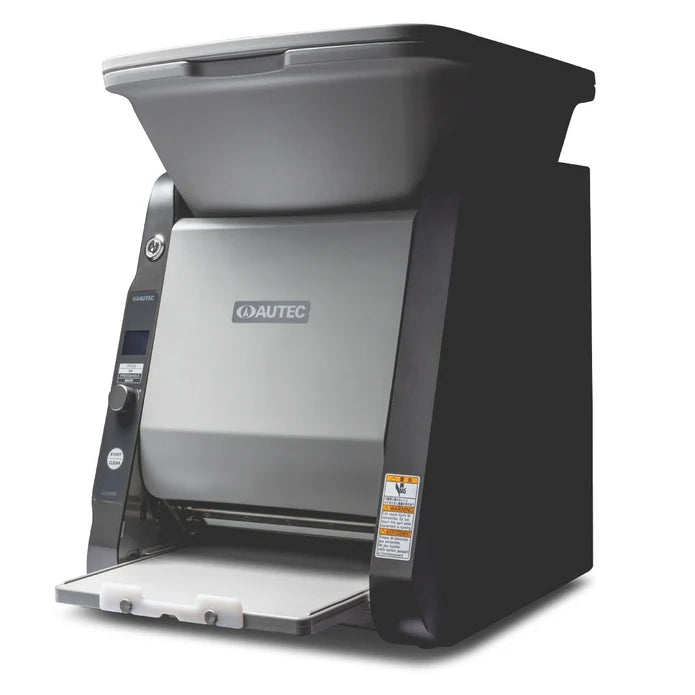
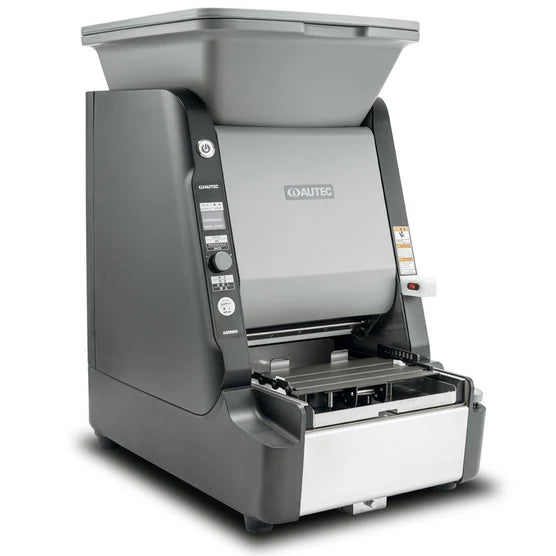
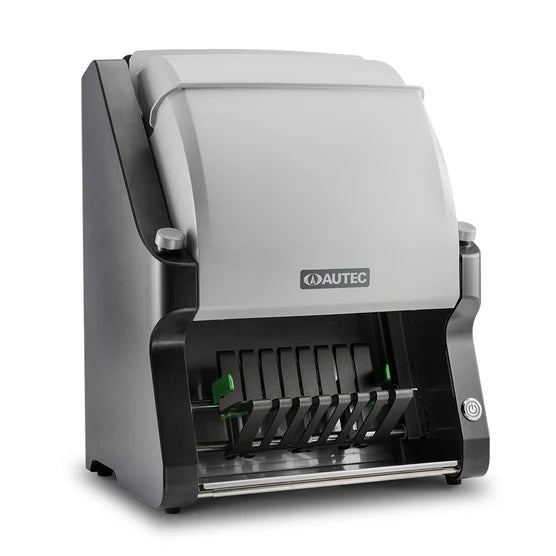
These functions answer different purchasing questions. A shared sheeter can supply several manual finishing positions, provided its output can be received and allocated appropriately. An integrated sheeter/wrapper combines more forming work at one position while retaining the required ingredient input. A nigiri former contributes little to a sashimi-heavy interval if prepared topping and cutting work are the constraint.
Do not purchase the largest advertised output without specifying its destination. Two finishing positions supplied by one machine need receiving space and an allocation method. They also share that machine's replenishment and care interruptions. Conversely, separate manual positions need their own working supplies and space even when they draw from a common reserve.
Carry the menu into the cutting specification
Roll length, diameter, construction and portion pattern all belong in the cutter proposal. The supplied cutting unit and base must match the intended work. A piece-count option is insufficient to establish that every roll on the menu can use it.
Operating roles also need to follow the selected machine's instructions. AUTEC's identified ASM260A manual, P#287305990B, specifies single-operator use. A proposed arrangement cannot assume one person loading while another reaches in to unload. Work can be divided around the machine, with an orderly receiving and finished-product handoff, while the machine itself is operated as instructed. Obtain the current instructions and exact supplied configuration with the proposal.
Product changes deserve attention alongside straight production. Different constructions may require settings, attachments, utensils or care changes. Repeating an easy single roll demonstrates that run; it does not establish performance through the restaurant's changing mix.
Choose the arrangement that improves the identified task and leaves a practical route to acceptable finished dishes. The Sushi Robots & Machines Guide covers model-specific selection; manual preparation tools and professional knives and boards cover their specialist counterparts.
External handoff
External handoff
Divide work around the machine with orderly handoffs. Do not plan simultaneous loading and unloading by separate people at the machine.
Explore the ERS collection
Sushi Mats
Compare the assortment for this part of your service.
-
 Image unavailable
Sushi Mat 24 x 24cm (34-11)
View details & options : Sushi Mat 24 x 24cm (34-11)
Image unavailable
Sushi Mat 24 x 24cm (34-11)
View details & options : Sushi Mat 24 x 24cm (34-11)
-
 Image unavailable
Sushi Mat W/O Skin 24X21cm
View details & options : Sushi Mat W/O Skin 24X21cm
Image unavailable
Sushi Mat W/O Skin 24X21cm
View details & options : Sushi Mat W/O Skin 24X21cm
-
 Image unavailable
Sushimat 24X24 W/O Skin= 914025 = Sn-3
View details & options : Sushimat 24X24 W/O Skin= 914025 = Sn-3
Image unavailable
Sushimat 24X24 W/O Skin= 914025 = Sn-3
View details & options : Sushimat 24X24 W/O Skin= 914025 = Sn-3
-
 Image unavailable
Sushi Roll Mat Plastic 10"X9.5"
View details & options : Sushi Roll Mat Plastic 10"X9.5"
Image unavailable
Sushi Roll Mat Plastic 10"X9.5"
View details & options : Sushi Roll Mat Plastic 10"X9.5"
-
 Image unavailable
Bamboo Sushi Mat 270X135Mm (Bsd-04)
View details & options : Bamboo Sushi Mat 270X135Mm (Bsd-04)
Image unavailable
Bamboo Sushi Mat 270X135Mm (Bsd-04)
View details & options : Bamboo Sushi Mat 270X135Mm (Bsd-04)
-
 Image unavailable
Bamboo Sushi Mat 27X27cm
View details & options : Bamboo Sushi Mat 27X27cm
Image unavailable
Bamboo Sushi Mat 27X27cm
View details & options : Bamboo Sushi Mat 27X27cm
-
 Image unavailable
Sushi Mat W/O Skin 24X24cm
View details & options : Sushi Mat W/O Skin 24X24cm
Image unavailable
Sushi Mat W/O Skin 24X24cm
View details & options : Sushi Mat W/O Skin 24X24cm
-
 Image unavailable
Sushi Mat W/O Skin 24X24cm
View details & options : Sushi Mat W/O Skin 24X24cm
Image unavailable
Sushi Mat W/O Skin 24X24cm
View details & options : Sushi Mat W/O Skin 24X24cm


06 / Sushi Restaurant Concepts
Hot Dishes, Cooked Fillings and Finishing
Hot work enters a sushi menu at three different points: a cooked component needed before assembly, a separately ordered hot dish, and heat applied after assembly. Describe those duties separately even when they share an appliance.
A fryer producing an accompaniment and a roll filling has two receiving destinations. A finishing appliance receives partly completed sushi and returns it for final handling. Adding rice-forming output will not resolve either task if the required hot work is already waiting.
This distinction also changes how equipment is evaluated. A roll trial supplied with a full tray of prepared fried fillings excludes the replenishment duty. A fryer trial limited to the accompaniment excludes its contribution to sushi assembly. The representative workload must include the tasks that actually compete during service.
Use the working dimensions of the finishing appliance. Vulcan's 36IRB infrared salamander, for example, lists a 27½ × 13-inch grid within its nominal 36-inch width. The proposed vessels and food arrangement must fit the usable support and permitted operating method. An attractive serving dish, or one marked dishwasher-safe, still needs its own documented suitability before it is placed under a broiler.
Receiving space is part of this selection. Hot output needs somewhere appropriate to be unloaded before it moves into assembly or dispatch. The next load cannot be assessed independently of that handling. Where separate cooking positions are proposed, evaluate the actual products and configuration; separate compartments alone do not establish allergen isolation.
Keep cooking, final finishing and holding distinct in the specification. Adding holding equipment should follow a justified food and service requirement, rather than become the default response to an unfinished dispatch task. The Hot Kitchen Equipment for Sushi Restaurants reference develops appliance selection, while the ERS cooking-equipment collection provides the broader commercial range.
07 / Sushi Restaurant Concepts
Plating, Dispatch and Table Service
The completion surface must make food's status and destination clear. A roll awaiting a topping or heated finish and a plated dish ready to leave have different claims on the space. They can share a suitably arranged surface, but both uses must remain workable as new orders arrive.
Successive requests make that distinction particularly important. A second order for a table should not disappear into the work still being completed for its first request. Dining and pickup dishes also need their respective release destinations when they share production. A ticket or display can identify an order; the layout must provide the ware, landing position and physical route that allow it to leave.
Decide the intended release method. Individual dishes sent as ready, a defined group sent together and a shared presentation require different waiting and carrying arrangements. Neither automatic consolidation nor automatic immediate release suits every service.
The actual serving object governs the handoff. A long roll plate or boat can use a tray differently from round plates. A shared presentation needs a usable loading position, carrying method and receiving footprint on the table. Include the accompanying bowls, sauce dishes and other objects that occupy that same space.
Used ware and empty ingredient containers need a clear route away from the completion position. Otherwise the surface intended for finished orders becomes the waiting place for objects heading in the opposite direction. Detailed station design belongs in Sushi Bar Design & Chef Workstations; the return of those objects is part of the clean-stock decision below.
08 / Sushi Restaurant Concepts
Sushi Buffets and Customer Self-Service
A sushi buffet displays completed food for guest selection. It requires a coordinated holding, protection, access and replenishment arrangement. Turning a chef-accessed ingredient showcase toward guests does not establish suitability for that duty.
Begin with the actual display assortment and vessels. Selection breadth and quantity per selection are separate decisions. A broad assortment presented in small quantities creates different exchange work from a narrow selection replaced repeatedly. More display length does not resolve how either will be replenished.
Smaller batches reduce the amount committed to an individual display load while increasing the frequency of exchanges and demand for clean containers. Larger loads change exposure, handling and the amount awaiting selection. Choose from the restaurant's observed selection pattern, culinary standard and applicable control method.
Holding equipment and supported containers
Hatco's CWBP refrigerated drop-in well, documented in its CWBPM-1225 installation and operating manual, provides a useful technical example. It is arranged for pre-chilled food in supported food pans. Its installation cabinet is not to be used for storage.
Those provisions affect the complete counter. Upstream chilling, where required by the chosen process, remains a separate task. A decorative boat or raised plate cannot be assumed to perform like the specified food-pan arrangement merely because it spans the opening. Clean guest plates, replacement pans and utensils need space outside a cabinet reserved for the refrigeration installation and its access.
Specify the loaded arrangement: pan support, food position, cover or guard relationship, replenishment access and the required measurement provisions. The controller's reading is not a substitute for checking the food under the establishment's process.
Protection and access must work together
A food guard is a separate selection. Hatco's B950 self-service shield illustrates a configuration with face and end panels and adjustable positioning. Its installed position must preserve protection while allowing the intended guest and staff access; adjustability is not permission to use any opening.
The replenishment route must work with the guard in place. Staff need to remove the outgoing vessel, bring in its replacement and handle utensils without losing the intended protection of adjacent food. Guests need usable access to the selected dispensing method. Monitoring requires sightlines and access of its own, even where staff are also assigned other work.
Preserve batch identity through replacement
For a restaurant using Los Angeles County's time-control route, adding food to a batch retains the original discard deadline. The County's guidance makes identification and container replacement part of the operating requirement.
Provide the incoming food, a suitable clean assembly, readable identification and a destination for outgoing food and ware. Continual topping-up should not be the assumed design for a process that depends on known batch history. The food-control method also has to cover the finished sushi being displayed, rather than rely solely on a rice preparation procedure.
Utensils and clean guest ware need replenishment alongside food. A display should not depend on its only serving utensil remaining usable indefinitely, or on guests returning with soiled plates because clean ones are unavailable. The relevant commercial requirements and the restaurant's documented procedures govern the details. The equipment brief must provide the objects and access those procedures require.
09 / Sushi Restaurant Concepts
Servingware, Warewashing and Clean-Stock Return
Select the servingware with its complete return route in view. Repeat orders can commit additional plates, bowls and utensils before earlier pieces return. A concentrated à la carte service can place similar demands on the same stock. The usable quantity is the particular ware ready at the position where the next dish will be plated or served.
The care distinction can be specific. ERS's 10-BR melamine sushi boat is listed as dishwasher-safe. The WO-17-2 plastic/lacquer serving oke is listed for handwashing.
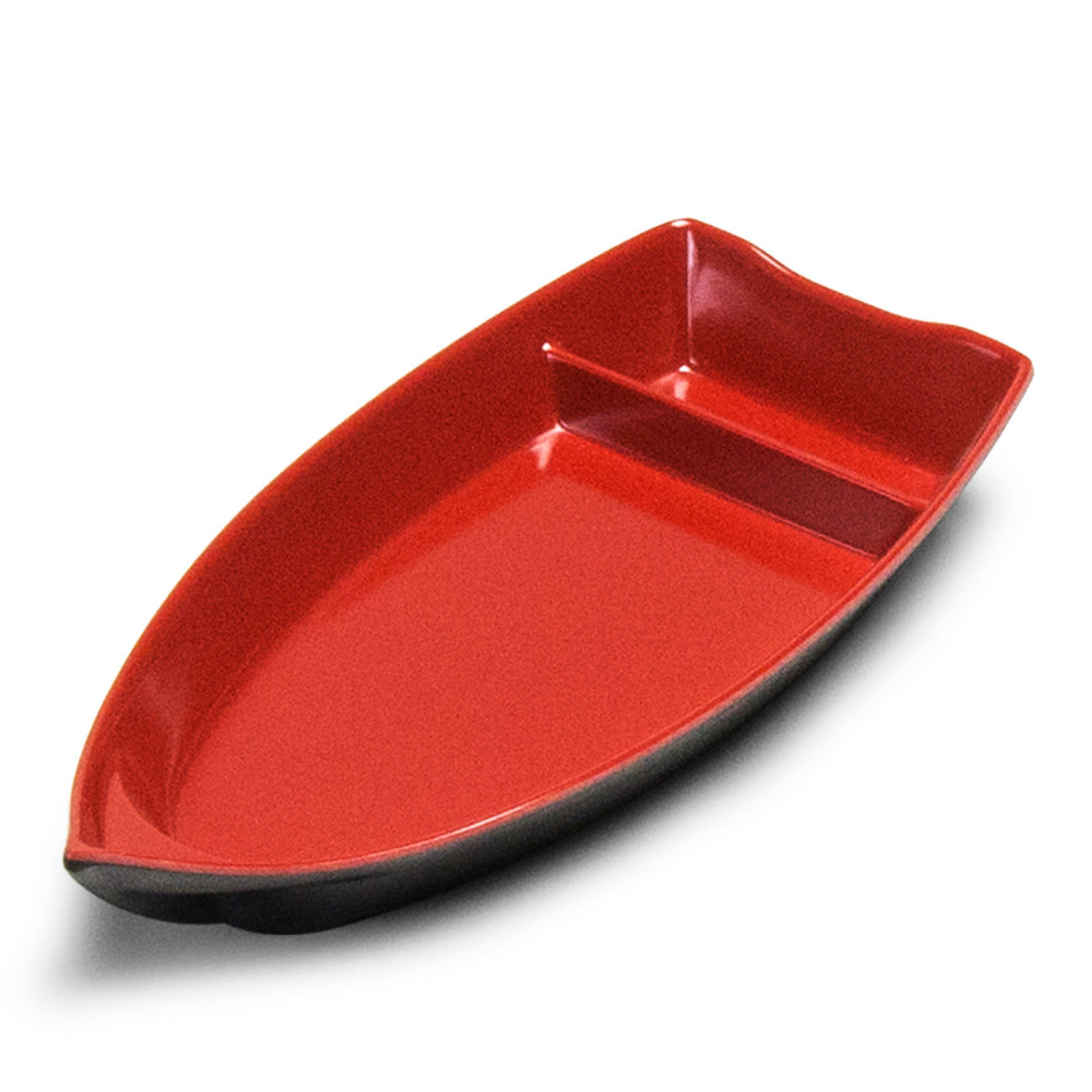
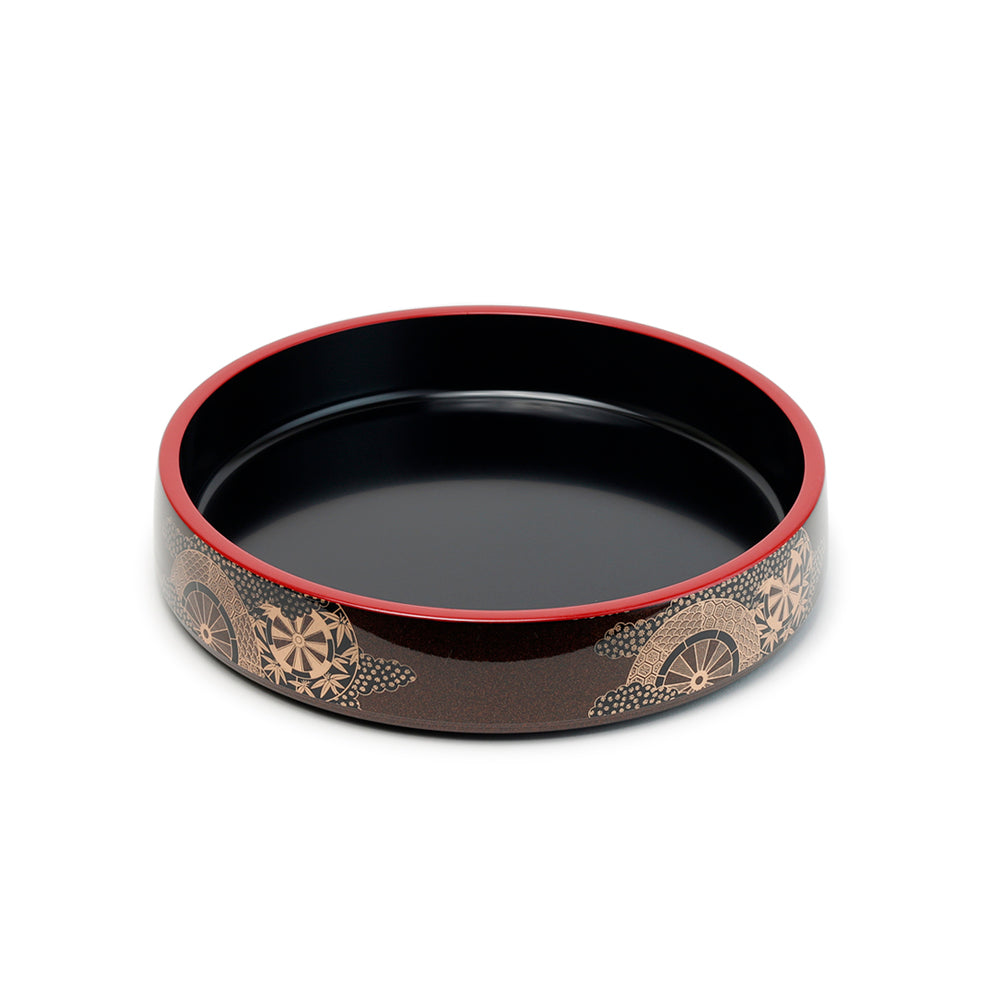
The oke can belong in a high-use service when its required care and return are properly provided. The boat's dishwasher-safe description does not establish its rack orientation, accepted pieces per rack or full return time. Those are questions about the actual object in the selected arrangement.
Include everything between clearing and reuse
Follow the object through clearing, sorting or precleaning, its assigned washing route, readiness after processing, clean receiving and return. Ware waiting on a rack or stored away from the consuming position is not yet serving the next order.
California's requirements address clean tableware for repeat portions and air drying or adequate draining before food contact. Those provisions belong in the return arrangement, rather than being treated as a step omitted from the machine's advertised output. California Retail Food Code, §§114075 and 114105.
Manual-only ware needs a compatible commercial washing and sanitizing provision, including receiving space. Establish that provision before buying deeply into the presentation. The employee handwashing sink is not the route for processing servingware.
Use the actual ware in the rack calculation
A long boat, deep bowl and flat plate are different loads. Hobart's AM16 operating instructions, for example, call for loading that leaves surfaces accessible to water. The number of objects that can be placed physically in a rack is not necessarily the number that can be processed correctly together.
Use the selected ware, representative food residues, appropriate racks and the permitted cycle when evaluating the arrangement. Include handling before and after the machine and the applicable sanitization verification. A nominal rack rate multiplied by a generic dish count leaves too much of the actual work unspecified.
Preparation ware belongs in that same service picture. Rice vessels, lids, ingredient pans, buffet exchange containers and utensils may arrive during the guest-ware peak. Eligible removable machine parts may also require processing, while other parts need a different method. Removability alone does not establish dishmachine compatibility.
A buffet changing pans more often adds return work even when guest plate use is unchanged. Likewise, a manual-washing area already occupied by preparation objects may not be immediately available for presentation ware. Specify the overlapping uses rather than assigning the same facility unlimited simultaneous duties.
Separate a stock shortage from a return problem
An illustrative end-of-period balance makes the distinction clear. If one ware family starts with 40 ready pieces, 60 are issued and 45 return ready, 25 remain: 40 + 45 − 60. These are hypothetical figures, not a recommended stock level. They also do not prove that sufficient pieces were available at every earlier moment in the period.
Additional compatible stock can bridge a finite surge or delay. If the same deficit continues, that extra stock is being consumed while the underlying problem remains. Investigate clearing, rack arrangement, manual-only processing, clean receiving and movement back to the station before attributing every shortage to the dishmachine.
Keep the ware families distinct. Plenty of bowls will not complete an order whose required long plates are unavailable. A faster machine will not move pieces already washed but stranded away from plating. Replacement and additional-stock purchases should follow the actual missing function.
Use the Sushi & Omakase Tableware Guide for the broader assortment and Traditional Sushi Servingware for specialty forms. For this restaurant format, presentation, care and ready stock belong in the same buying decision.
The end balance does not establish that sufficient pieces were available at every earlier moment. Keep each ware family and its ready endpoint distinct.
10 / Sushi Restaurant Concepts
Supplies, Replacement Stock and Service Continuity
Order supporting supplies by the interruption they address. A consumable, an application accessory, a clean working assembly, a replacement component and a second powered unit provide different kinds of continuity.
AUTEX makes the distinction concrete. AUTEC identifies its designated oil and reusable fine-mist trigger. ERS offers both the AUTEX bottle with trigger and the AUTEX-2 refill without trigger. A refill order does not replace a missing applicator. Keep the required consumable, application hardware and machine instructions together in the purchasing record.


Replacement components deserve equally exact identification. Zojirushi lists 6-RDA-P020 as the sponge disk for RDS-400/600. Knowing that identity helps specify continuing support for the vessel; it does not establish a replacement interval or immediate local availability.
Keep spare assemblies ready for their assigned work
A spare container arrangement needs the compatible lid, insert or support required for its use. A replacement machine attachment needs the correct model and configuration identity and its permitted care. Specify what comes with the base item and what must be supplied separately.
An available clean assembly may restore a position while another assembly is being processed. It does not repair an unrelated drive fault or provide a person to operate the machine. Choose the spare against the actual interruption rather than assigning the same percentage allowance to every item.
Define the service the alternative will preserve
A manual alternative to a stopped machine needs the complete method: tools, usable rice, prepared ingredients, cutting and finishing space, clean ware and competent staff. Decide whether it is intended to preserve selected rolls, a narrower menu or a defined reduced order load. Normal output should be established through representative work, not assumed from the presence of a mat and knife.
Duplicate powered equipment also needs scrutiny of shared dependencies. Two rice-forming machines can depend on the same prepared rice, reserve refrigeration, electrical supply or downstream cutting position. Identify what the proposed duplicate actually separates before treating it as protection for the whole service.
The supplier proposal should identify the responsible support party, actual coverage, parts route, training and exclusions. A manufacturer's warranty does not by itself specify an on-site response. Where a delay would change the menu the restaurant can support, settle the alternative before committing to the equipment.
The maintenance and replacement-parts guide and ongoing supply reference develop those continuing requirements.
11 / Sushi Restaurant Concepts
Specifying the Restaurant's Equipment and Supply Package
Bring the supplier a menu-and-service brief that defines the work and its interfaces. A useful proposal should answer five points:
- Service and assigned work. Identify table ordering, counter service, guest self-service or the combination. Include AYCE eligibility and relevant menu conditions where used, plus other dining or pickup work sharing production.
- Menu constructions and portions. Supply the actual food forms, roll dimensions and portion method, toppings, cooked components, hot finishing and presentation ware. Include changes that materially alter the work.
- Workload evidence and completion point. Distinguish actual records from projections. State whether the required result is an intermediate product, finished plate, replenished display or released dish.
- Interfaces and site. Show usable rice and ingredient supply, complete working containers, human positions, finishing and dispatch, used-object return and clean-stock locations, together with the selected equipment's services and access requirements.
- Exact scope and support. Identify model and configuration, included and separate attachments, compatible ware or racks, necessary supplies, installation responsibilities, training, documentation, service terms and the intended interruption response.
Evaluate the arrangement through representative service
Use a proposed acceptance sequence that follows the selected menu beyond an appliance's easiest continuous run:
- Confirm equipment identities, supporting objects and usable operating, loading and care space.
- Run the representative menu with the intended inputs and serving forms, keeping intermediate and completed output distinct.
- Include relevant format, portion and topping changes while preserving order identity.
- Replenish rice and ingredients, account for outgoing assemblies and include the relevant hot-work dependency.
- Follow dispatch to its receiving point, or carry out the applicable buffet display and exchange sequence.
- Process and return representative guest and preparation objects through their assigned care routes.
- Evaluate the defined manual or alternative arrangement separately and safely, recording the service scope it supports.
- Record actual observations, unacceptable output, waiting work and untested conditions against criteria agreed for the project.
This is a proposed evaluation, not a claim that any named equipment package has passed it. A buffet needs a meaningful replenishment and removal sequence. A made-to-order restaurant needs its mixture of preparation, finishing and release represented. A concentrated pickup period must include its shared production and separate dispatch commitments.
Keep the quotation equally complete. Separate core equipment and configuration, working assemblies and ware, installation and site work, initial supplies, training or commissioning where included, and recurring care and support. Detailed budgeting belongs in the Sushi Restaurant Equipment Cost Guide; the first task is to make clear what the proposed price includes.
Bring that brief to Eden Restaurant Supply to discuss the products, inventory and supporting supply needed for the restaurant's actual service.