

SUSHI RICE PRODUCTION
Sushi Rice Equipment, Hangiri & Shari Production: The Complete Commercial Guide
Sushi rice is made long before a chef forms nigiri or hands a temaki across the counter. The rice must be measured, washed, cooked, seasoned, mixed, brought to the intended serving condition, and supplied to the sushi station in appropriate quantities. Each stage has its own tools and specifications. A powerful cooker paired with an undersized mixer, the wrong receiving vessel, or poorly arranged counter replenishment is not a well-specified operation.

Traditional hangiri, handai and shamoji remain indispensable references in this category; so do modern automatic washers, commercial rice cookers, dedicated shari mixers and finished-rice holding vessels. The point is not to privilege wood over machinery, or machinery over craft. It is to know precisely what each does, what differentiates it, and how it performs in an actual restaurant.
Eden Restaurant Supply has supplied Japanese and sushi restaurants from Los Angeles since 2002. Across 24 years, ERS supplied more than 11,000 commercial rice cookers and warmers to more than 3,600 locations in 41 U.S. states and conducted 222 controlled rice-cooker test runs across 74 configurations. Our Commercial Rice Equipment Research provides the broader independent cooking and holding evidence. This reference brings that evidence together with sushi-specific traditional equipment, shari mixing, workstation decisions, production capacity and ongoing supply.
In this guide 16 sections
01 / SUSHI RESTAURANT REFERENCE
Map shari production
01 / SHARI PRODUCTION
The Complete Sushi Rice Production System
Shari is the seasoned rice prepared for sushi. Sumeshi is another term for vinegared rice; sushi-zu is the seasoning mixed into the cooked rice. The distinction matters in equipment selection: a rice cooker produces cooked rice, a hangiri or shari mixer is used for seasoning and mixing, and a rice sheet machine or nigiri former performs subsequent sushi assembly. One machine should not be credited with functions it does not perform.
The commercial preparation sequence is straightforward, although its execution varies considerably:
| Production work | Principal equipment and implements | What matters in specification |
|---|---|---|
| Measure and store dry rice | Food-grade bins, scales, rice measures, scoops | Consistent raw load; access and batch identification |
| Wash, drain, hydrate | Washing vessels, strainers, automatic rice washers | Dry-rice loading range, water supply, drainage and handling |
| Cook | Commercial electric, gas, induction or deck cookers | Supported program, usable cooked output and batch timing |
| Season and mix | Sushi-zu measures, hangiri, shamoji, commercial shari mixers | Cooked-rice working load, distribution and preparation method |
| Aerate and cool as required | Broad mixing vessels, fans, mixer airflow | Desired finished-rice condition and preparation timing |
| Verify and transfer | Appropriate thermometers, process instruments, transfer tools | Established handling and process requirements |
| Hold and replenish | Ohitsu, shari-bitsu, compatible thermal holders | Working quantity, access, moisture, temperature and replenishment |
| Deliver to service | Chef's counter, temaki station, nigiri or maki equipment | Ready-to-use rice in the quantity and condition required |
Scroll horizontally to read the full table →
A restaurant may wash rice manually and mix it mechanically. It may season rice in a traditional hangiri and use an automated rice sheeter for rolls. A central kitchen may cook and mix rice separately from the individual sushi counters it supplies. These are normal commercial arrangements, not incomplete versions of a supposedly ideal machine-driven operation.
Specify production against the restaurant's service requirement: the quantity of shari needed, its intended condition, and the timing of replenishment. Cooker output, mixer load and holding capacity follow from those requirements.
Scroll horizontally to inspect the diagram
For identification of individual tools and their Japanese names, see the Illustrated Sushi Restaurant Equipment & Supplies Encyclopedia. For broader commercial cooking and holding, use the ERS Rice Equipment Research.
02 / SHARI PRODUCTION
Preparing Rice: Measurement, Washing, Hydration & Drainage
Rice preparation begins with consistent raw input. Professional kitchens should distinguish dry-rice weight, the measuring-cup system supplied with a particular cooker, and the cooked weight ultimately received by the shari station. Many Japanese commercial rice equipment specifications use an approximately 180 mL rice cup, not the 236.6 mL U.S. customary cup. Neither volume measure is a fixed mass of every rice variety.
Manual washing remains a valid professional method. It requires sufficient vessel capacity, controlled water access, suitable drainage, and a process that staff can repeat throughout service. For larger or more frequent batches, dedicated washers reduce the work associated with handling and washing rice. Not every machine performs the same functions.
Three equipment arrangements matter:
- Manual wash and drain: Staff measure, wash and drain rice using food-contact vessels and strainers.
- Dedicated automatic washing: The machine mechanizes the washing action, but measuring, loading, draining or transfer may remain manual.
- Integrated measuring and washing: Certain commercial units store dry rice, measure a batch, wash it and discharge rice or water for the cooking stage.
Suzumo's KP720NA-UL commercial rice-washing robot is a useful example of integrated equipment. Its specified load is up to 6 kg of uncooked rice, and its water-supply pressure and discharge requirements are part of installation—not optional accessories. A quoted wash cycle does not necessarily include loading and transfer. Machines with similar nominal batch ratings can have substantially different water, footprint and operator requirements.
Washing, soaking and hydration choices affect the rice entering the cooker and can influence later handling. They must follow the rice, cooking method and restaurant preparation requirements; a single prescribed wash or soak duration is not an equipment specification. Research on sushi-rice preparation has demonstrated that changing these upstream variables affects texture and subsequent forming behavior. The equipment should provide the necessary control and repeatability without dictating one formula for every kitchen.
For purchasing, verify the minimum and maximum dry-rice load, which functions are automated, water pressure, drainage arrangement, working height, sanitation access and discharge into the actual cooker. In a tight kitchen, the rice's path out of the washer can matter as much as the washer's nominal capacity.
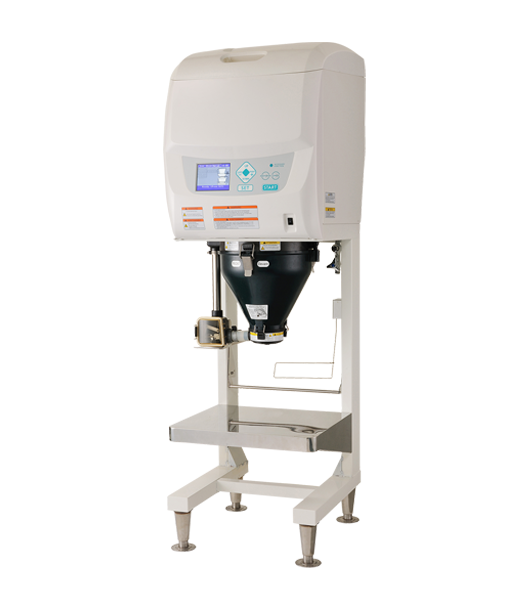
For rice measures, washing bowls, strainers, ingredient containers and related equipment, browse ERS Kitchen Supplies. Full restaurant production capacity and workstation planning are covered separately in the Sushi Production Workflow, Capacity & Equipment Sizing reference.
03 / SHARI PRODUCTION
Cooking Rice for Sushi: Cookers, Batch Output & Production Timing
Rice intended for shari must be cooked with the consistency required by the restaurant's seasoning and finishing process. The decision is not electric versus gas in the abstract. It is the actual cooking load, the rice setting available, the finished output, the time the equipment is occupied, and the utilities and operating space the restaurant has.
Commercial sushi kitchens use conventional electric cookers, gas cookers, induction-heating models, and larger multi-vessel or deck equipment. Some cookers include sushi-rice programs; others use simpler controls with repeatable kitchen procedures. Both approaches can be appropriate. What cannot be ignored is the capacity basis: 30 cups of dry rice is not 30 cups of cooked rice, and it is not a 30-cup load specification for a shari mixer.
ERS's Rice Cooker Performance Benchmark reports measured usable cooked output and time to service-ready completion—not merely manufacturer-stated cup counts. For example, the Panasonic SR-GB54H produced an average 10.132 kg of usable cooked white rice from 4.484 kg dry input, reaching service-ready completion in 31.0 minutes under the published protocol. The Mevience ZEUS-IH54C produced 10.137 kg usable output in 53.3 minutes at its tested load. That is a meaningful model-level production difference, not a conclusion that all induction cookers are slower than all conventional cookers.
Different commercial cooking arrangements
| Actual equipment | What distinguishes the purchasing decision |
|---|---|
| Panasonic SR-GB54H, 30-cup cooker/warmer | Conventional 120V commercial cooking; original ERS measured batch data |
| Panasonic SR-GB72, 40-cup cooker | Larger cooker class; 208V service and 14.054 kg measured usable output in ERS testing |
| CUCKOO CR-3032, 30-cup cooker/warmer | Commercial cook-and-hold, 120V, 30 uncooked-cup rating |
| Mevience ZEUS-IH54C commercial IH cooker | Programmable induction cooking, sushi-rice setting, 208V/25A and higher electrical load |
| Rinnai RER-55AS natural-gas cooker | Gas-fired batch production; 25–55 uncooked-cup working range and gas connection requirements |
| Hattori LG-000-100 two-deck gas rice cooker | Parallel-deck production and independent batch scheduling for larger kitchens |
Scroll horizontally to read the full table →


Rice still occupying a cooker's vessel can prevent that vessel from beginning the next load. Separate holding, transfer into a mixing vessel, or parallel cooking changes the actual production schedule. A larger rated cooker also does not necessarily deliver a proportionately higher number of usable kilograms per hour.
In ERS testing, the Rinnai RER-55AS yielded 18.071 kg of usable rice in 39.8 minutes to service-ready completion; the two-deck Hattori LG-000-100 produced 31.48 kg in 31.9 minutes at its tested rated load. Those are different equipment classes and loads, not a controlled claim that one heating technology is inherently superior. They illustrate the actual production range buyers must plan around. All figures, methodology and individual model records appear in the ERS Performance Benchmark.
The separate Commercial Rice Cooker Buying Guide owns the complete analysis of cooker technology, pans, listings and maintenance. Here, the decisive information is the cooked batch delivered to shari preparation and the time that batch becomes available.
02 / SUSHI RESTAURANT REFERENCE
Hangiri and traditional rice tools
04 / SHARI PRODUCTION
Hangiri, Handai, Shamoji & Traditional Sushi Rice Equipment
A hangiri is a wide, shallow wooden vessel in which a chef seasons and mixes cooked rice. Handai is another established term for this equipment. American catalogs also use sushi-oke, a term that can refer to a rice-preparation tub or a completely different serving vessel. The broad uncoated wooden tub is preparation equipment; ERS's WO-17-3 lacquer sushi oke, for example, is a plastic-and-lacquer presentation container. They should not be specified interchangeably.
Wood species, construction and working surface
Sawara cypress is an important traditional hangiri material. Specialist Japanese makers and suppliers describe its grain, relatively subdued fragrance, and use in professional rice vessels. They distinguish selected heartwood from sapwood, and they pay attention to stave matching, joining, surface finishing and the placement of the bottom and hoops. A traditional vessel's characteristics come from its actual construction, not merely its Japanese origin.
Natural wood absorbs and releases moisture, expands and contracts, and requires appropriate cleaning and drying. Wood movement can affect the fit of metal hoops. Copper-banded and stainless-steel-hooped vessels both exist; metal choice and hoop fastening are separate specifications. In particular, pressure-fitted stainless hoops can loosen as a wooden tub dries. Stainless steel is not a guarantee against natural wood movement.
A wide surface gives the operator room to distribute seasoned rice. Depth determines working geometry. The usable load depends on both dimensions, the vessel's construction and how the batch must be worked. A 26-inch hangiri from one maker cannot automatically be assigned the working rice capacity of every other 26-inch vessel. Maker ratings commonly use traditional rice-cup measures, whose meaning and load basis should be established before conversion to cooked-rice kilograms.
The actual ERS wooden hangiri assortment
| ERS model | Published nominal diameter | Published material/origin |
|---|---|---|
| I-654-60 — 23.5-inch wooden sushi rice container | 23.5 in. | Wood; made in Japan |
| I-654-66 — 26-inch wooden hangiri | 26 in. | Wood; made in Japan |
| I-654-72 — 28.5-inch wooden hangiri | 28.5 in. | Wood; made in Japan |
| I-654-75 — 29.5-inch wooden hangiri | 29.5 in. | Wood; made in Japan |
Scroll horizontally to read the full table →
ERS lists 7-inch height for its 26-, 28.5- and 29.5-inch models. The 23.5-inch product currently has differing height information in its title and specification field; it should not be used as a precision height reference until reconciled. The published listings do not identify a particular wood species, heartwood grade, hoop alloy or tested cooked-rice working load. Those details should be established from the actual maker or physical inventory rather than inferred from a different supplier's model.

Scroll horizontally to inspect the diagram


For contrast, a documented 26-inch sawara hangiri identifies sawara heartwood, stainless hoops, 14.2 cm internal height and a 50-rice-cup maker rating. Those construction and capacity details apply to that specified product—not automatically to ERS's wooden hangiri.
Shamoji, miyajima and associated tools
The shamoji is the rice paddle. In professional preparation, a larger wooden, often miyajima-style paddle can provide the reach and broad edge useful for working rice in a large hangiri. Smaller wooden, bamboo or synthetic rice paddles suit transfer and portioning tasks. Size the implement for the vessel and operation rather than treating every rice spatula as interchangeable.
ERS carries a 23 cm bamboo rice spatula (00606) and an Autumn Grass melamine rice spatula (033A-096) in its Kitchen Supplies collection. These are useful examples of different transfer/serving utensils; neither should be passed off as the same implement as a large professional wooden paddle used to mix a substantial hangiri batch.


A traditional hangiri is a serious commercial tool: select it by actual construction, usable surface, appropriate batch load, care requirements and the standards of the kitchen using it. Its enduring value lies in the work it allows a skilled operator to perform, not in decorative nostalgia.
05 / SHARI PRODUCTION
Seasoning, Mixing, Aeration & Cooling: The Traditional Workflow
The rice entering a hangiri is already cooked. The work now is to distribute sushi-zu, separate and turn the grains, manage heat and moisture, and deliver the shari in the condition required by the restaurant. These tasks are related, but they are not one indistinct action.
Seasoning starts with measured ingredients. The temperature and physical condition of the cooked rice influence how it responds; so do the composition of the sushi-zu and the size of the batch. Professional methods differ in timing and seasoning balance. What matters to the equipment buyer is the vessel, working surface, tools, operator access and repeatability needed to execute the restaurant's own preparation.
During mixing, the shamoji's edge is used to separate and turn rice without unnecessarily mashing the grains. The broad working area permits movement and exposure rather than compressing a deep mass of rice in a narrow container. Airflow, traditionally supplied with a fan or the surrounding room, can assist cooling as seasoning is distributed. Moisture behavior, exposure and timing depend on the actual batch and vessel.
The diameter and depth of a hangiri become operational considerations when the chef is mixing several consecutive cooker batches. A vessel suited to one small preparation can be crowded when loaded with several large cooked batches; a much larger vessel demands more counter space and can be unnecessarily awkward for small service runs. Paddles and staff working position should be selected accordingly.
A chef-directed method gives immediate control over the rice as it changes. It also commits counter area, preparation time and staff attention. Those are normal professional design considerations, not deficiencies in the method. Automatic shari mixers address particular parts of this work. They do not replace the cooking stage or necessarily assume responsibility for every operator decision.
- Cooked rice enters the preparation vessel.
- Measured sushi-zu is added.
- The shamoji separates and turns the rice.
- Surface exposure and airflow accompany finishing.
03 / SUSHI RESTAURANT REFERENCE
Mixing and production equipment
06 / SHARI PRODUCTION
Commercial Shari Mixers: Automated Seasoning, Mixing & Cooling
A commercial shari mixer receives cooked rice and seasoning and mechanizes the mixing operation. Depending on the model, it also provides controlled airflow, programmable cycles, temperature-related controls and mechanical discharge. It does not wash or cook raw rice, and it is not a nigiri former or rice sheeter.
Machines in this category differ in how they turn and separate rice, how seasoning is added, how the rice is cooled, and what work remains with the operator. Manufacturer descriptions such as automatic should be read function by function. Even a machine that mixes and discharges automatically commonly requires staff to load rice and sushi-zu.
Commercial mixer specifications that change the purchase
| Exact U.S. model | Rated cooked-rice load | Electrical | Installation | Distinguishing arrangement |
|---|---|---|---|---|
| AUTEC ASM730A | 3.3–6.6 kg | 120V / 500W | Countertop | Rocking drum, stirring bar, forced-air cooling, four courses |
| AUTEC ASM780A | 6.6–13.2 kg | 120V / 500W | Floor/mobile | Larger mixing range, temperature sensor, automatic discharge |
| Suzumo MCR-SSC-ET | Maximum 6.5 kg | 120V / 95W | Compact tabletop | Mixing and cooling with manually loaded rice and vinegar |
| Suzumo MCR-ASB-ET | Maximum 13 kg | 110–120V / 400W | Floor-standing | Automatic mixing and discharge; manual input |
Scroll horizontally to read the full table →
These are manufacturer specifications. Suzumo's referenced compact and larger models publish maximum loads; equivalent minimum loads should not be invented. Published times describe different portions of the operating process and cannot be treated as directly comparable full-hour throughput.
AUTEC ASM730A. This is a practical compact commercial mixing option for batches in its specified 3.3–6.6 kg cooked-rice range. The machine uses side-to-side drum motion and a stirring bar while filtered airflow assists cooling. Four programmable courses provide different settings. Its approximate closed dimensions are 488 × 727 × 610 mm, but its maximum working envelope extends to approximately 488 × 867 × 1,172 mm. That open configuration must fit the actual worktable and surrounding shelves. View the ASM730A.

Scroll horizontally to inspect the diagram
AUTEC ASM780A. The larger system accepts 6.6–13.2 kg cooked-rice loads. A programmed mixing/cooling operation, temperature sensor and Auto-Feed discharge alter how the unit connects to receiving containers. Its approximately 598 × 743 × 988 mm closed envelope expands to approximately 598 × 892 × 1,551 mm in operation. Specifying the machine without space for discharge and an appropriate receiving rice box is incomplete. View the ASM780A.

Scroll horizontally to inspect the diagram
The Suzumo MCR-SSC-ET and MCR-ASB-ET demonstrate that commercial rice mixing is not a single proprietary mechanism. The MCR-SSC-ET handles up to 6.5 kg; the MCR-ASB-ET up to 13 kg and provides automatic discharge. The documented MCR-ASB-ET preparation time is approximately 5–7 minutes including mixing and discharge, whereas the AUTEC 3–5-minute figure refers to its stated production cycle. Those are not identical measurements.
The correct selection begins with the normal cooked-rice batch. A restaurant preparing frequent 5 kg loads fits the ASM730A's stated range, while that load is below the ASM780A's stated 6.6 kg minimum. The larger machine's maximum capacity is irrelevant if the restaurant seldom produces a compatible load. At higher volumes, discharge arrangements, overlapping cooker batches, handling intervals, cleaning and service support become increasingly consequential.
The manufacturer's exact U.S. operating manual and rating plate govern installation and care. International model-family brochures should not override the corresponding American machine's voltage, wattage, dimension or operating specification. For rice sheeters, nigiri makers and downstream automation, use the Sushi Robots & Machines resource and the Sushi Robots & Machines guide rather than treating the mixer as a complete sushi-production robot.
07 / SHARI PRODUCTION
What Determines Finished Shari Quality?
Rice texture is not supplied by a machine; the machine operates on rice whose properties were established well before it reached the mixing vessel. Variety and starch composition influence firmness and adhesion. Washing, hydration, cooking and the rice's condition at seasoning affect how that material responds. Sushi-zu changes acidity and can change textural behavior. Mixing, airflow and the time before use continue to shape the finished result.
A 2024 study comparing three rice varieties prepared as sushi rice found significant differences in hardness, stickiness and other properties associated with amylose content and preparation. Its particular samples and storage experiment do not create universal restaurant rice standards, but they establish that finished-shari quality cannot be assigned to the mixer alone.
For equipment evaluation, the important finished-rice characteristics are grain integrity, appropriate cohesion and separation, seasoning distribution, surface moisture, temperature and condition when the rice reaches the chef. Different sushi restaurants may choose different intended sensory results. Consistency means producing that restaurant's specified result repeatedly, not conforming to an arbitrary manufacturer-defined ideal.
| What staff observe | Production areas worth checking first |
|---|---|
| Rice is too firm or unevenly cooked | Rice variety, measurement, hydration, cooking program and load |
| Rice becomes excessively sticky or difficult to separate | Cooking/hydration, surface starch, seasoning, handling and mixing |
| Seasoning distribution is uneven | Measuring, addition method, actual working load and mixing operation |
| Grain breakage or inconsistent texture | Rice starting condition, mixing intensity, handling and batch size |
| Good shari deteriorates while waiting | Holding container, moisture behavior, elapsed time and replenishment |
| Sushi station runs short despite finished batches in the kitchen | Transfer placement, access, timing and production coordination |
Scroll horizontally to read the full table →
This is a diagnostic starting point, not a claim that each symptom has only one cause. It often prevents an unnecessary equipment purchase. If the cooking stage is producing unsuitable rice, changing shari mixers may do little. If the finished rice deteriorates at the service station, a larger cooker is unlikely to be the answer.
The Commercial Rice Warmers & Holding Guide covers the broader science and equipment of maintaining rice after cooking.
08 / SHARI PRODUCTION
Sushi Rice Acidification, Process Verification & Food-Contact Requirements
Sushi-zu is a culinary seasoning. Acidification used as a food-safety control is a validated production process. A restaurant must not confuse the two.
Cooked rice requires appropriate time/temperature handling because improperly controlled rice can support hazards including Bacillus cereus. The FDA Food Code 2026 includes dedicated sushi-rice acidification guidance in Annex 6. That guidance addresses acid distribution, equilibrium pH, critical limits, process validation and HACCP considerations. The FDA Food Code is a model used by jurisdictions; the restaurant's adopted local requirements and authorized procedure determine its actual obligations.
A commercial preparation process may require appropriate pH measurement, calibration supplies, documented sampling, scales, timers, temperature monitoring and written records. Adding a measured amount of vinegar is not, on its own, verification of the rice's equilibrium pH. A shari mixer helps perform mixing; it cannot independently certify a completed safety process.
Likewise, a thermal rice holder may be suitable for acidic ingredients while the rice inside still requires an approved method of handling. A traditional wooden vessel's material, coating and intended food-contact use must be evaluated under the applicable requirements, not approved or rejected solely by the word traditional.
For the equipment specification: identify the applicable process before selecting monitoring instruments, mixer procedures and holding equipment. Verify the exact local requirements with the authority having jurisdiction; use manufacturer documentation for the equipment's declared intended use and limitations.
- pH measurement
Process sampling and appropriate calibration supplies - Temperature measurement
Instrument for the rice and the handling procedure - Process records
Weights, timing, batch identification and documented verification
For the broader equipment and regulatory specification context, continue to the Sushi Equipment Specifications, Food-Safety Controls & Commercial Requirements reference.
04 / SUSHI RESTAURANT REFERENCE
Coordinate cooking and holding
09 / SHARI PRODUCTION
Holding & Transferring Finished Shari: Ohitsu, Shari-Bitsu & Thermal Equipment
Prepared shari belongs at the sushi-making station, not stranded in the rice-preparation area. How it reaches the chef can determine whether a well-executed batch retains the condition intended for service. Mixing and holding are separate jobs, and the containers designed for them are not interchangeable.
Traditional covered vessels
An ohitsu is a covered rice-holding vessel rather than a broad mixing tub. Edobitsu identifies a traditional vessel form; shari-bitsu is used for containers intended to hold prepared sushi rice. These names overlap in commercial use, so the item's construction and role are more informative than a label alone. Traditional vessels may be unfinished wood or have coatings that change how their food-contact surfaces behave. The cover, internal depth, loading pattern, cleaning procedure and access frequency all affect practical use.
Non-electric thermal holders
The Zojirushi RDS-400, 4 L and RDS-600, 6 L are insulated, non-electric commercial holders. Zojirushi expressly identifies the RDS family as compatible with acidic ingredients such as vinegar and suited to holding sushi rice. The units are stackable and use a replaceable lid sponge to collect condensation.
The manufacturer states heat retention after six hours of 176°F for the RDS-400 and 180°F for the RDS-600. Those are controlled water-test results with a 203°F starting temperature and 68°F ambient conditions—not temperatures proven for seasoned sushi rice during repeated restaurant service. They establish something about the insulated container's thermal design, not a universal six-hour rice-quality or food-safety allowance.


Powered rice warmers are a different category
A dedicated electric rice warmer actively adds heat. The Zojirushi THA-803S, 8 L and the NRW-2155 commercial warmer, 20 L illustrate the range of commercial electric-holding capacities. They are not equivalent to passive thermal holders, and their suitability for the exact seasoned-rice preparation must be established from manufacturer guidance and the restaurant's operating procedure. A large container is not automatically the right container for chef-counter shari.


The design decision is practical: how much finished shari needs to be available, how the vessel is filled and opened, how condensation and moisture are handled, and how rapidly the station can be replenished. For an omakase counter, repeated access to a small quantity may be more important than maximum capacity. For several sushi stations supplied from a central kitchen, transport, container allocation and station-level replenishment may govern the purchase.
The right holding arrangement preserves the operation's intended rice condition while observing its applicable handling controls. Detailed thermal and electric holding comparisons are in the ERS Commercial Rice Warmers & Holding Guide.
10 / SHARI PRODUCTION
Sizing the Complete Shari Production System
A cooker, mixer and holding vessel should never be purchased as though they share one capacity convention. The relevant numbers describe different things: kilograms of uncooked rice, kilograms of usable cooked rice, permitted mixer loading, kilograms of seasoned output, holding volume and actual shari demand at the counter. A nominal cup rating for one appliance cannot simply be matched to a cup rating for another.
One real cooker test, two shari mixers
ERS tested the Panasonic SR-GB54H under its published commercial white-rice protocol, obtaining the following three-run average:
| ERS measured quantity | Result |
|---|---|
| Dry rice input | 4.484 kg |
| Usable cooked white-rice output | 10.132 kg |
| Time to service-ready completion | 31.0 minutes |
Scroll horizontally to read the full table →
That is tested white rice, before sushi-zu is added. It is not a test of finished shari, mixer performance, or a particular sushi-rice recipe.
Now compare the real cooked-rice working ranges of AUTEC's two commercial shari mixers:
| Mixer | Permitted cooked-rice load | Allocation of a 10.132 kg cooked batch |
|---|---|---|
| ASM730A | 3.3–6.6 kg | Two loads of 5.066 kg |
| ASM780A | 6.6–13.2 kg | One load of 10.132 kg |
Scroll horizontally to read the full table →
The first machine cannot accept the entire tested cooker output in one load; the second can. But if the restaurant normally cooks only 5 kg batches, the result reverses: 5 kg falls inside the ASM730A working range and below the ASM780A manufacturer's stated minimum. This is why minimum loading limits are as consequential as maximum capacity.
Scroll horizontally to inspect the diagram
Four cookers change the production problem
Suppose four equal-sized cooked batches arrive at the mixing station together. Using ERS's measured cooker output as the example, that is 40.528 kg of usable cooked rice. Different load-allocation policies lead to different cycle counts:
| Mixing arrangement | Loads | Published mixing-cycle time only |
|---|---|---|
| ASM730A; preserve each cooker's batch separately | Eight loads of 5.066 kg | Approximately 24–40 minutes |
| ASM730A; pool compatible cooked rice and divide into seven loads | Seven loads of approximately 5.790 kg | Approximately 21–35 minutes |
| ASM780A; four individual cooked batches | Four loads of 10.132 kg | Approximately 12–20 minutes |
Scroll horizontally to read the full table →
Six ASM730A loads cannot handle 40.528 kg: six times its 6.6 kg maximum is 39.6 kg. Seven loads are feasible mathematically, but pooling rice from different cooker batches may create additional handling, scheduling, identification or process-control work. Eight loads may be a sensible arrangement when cooker-batch identity is preserved. The table is an original equipment-capacity calculation, not a tested restaurant production trial.
And these minutes are mixing cycle estimates, not complete finished-shari production times. Loading, vinegar preparation, discharge, container changes, machine reset, transfers, cleaning when required, and the actual cooker schedule remain to be accounted for. The four cookers may finish together or at staggered intervals; that scheduling changes what the mixer is asked to handle at any given moment.
Where throughput is actually constrained
An automatic mixer can process a load faster than a kitchen produces another load, in which case the mixer sits idle. Add several cookers, and the same mixer may become the constraint. Move the rice preparation to a central kitchen, and transferring finished shari to multiple counters may become the dominant issue. Increasing one machine's nominal capacity will not always improve service.
Plan from the rice needed during peak service, its desired condition and the interval between acceptable replenishments. Define the finished-rice working quantity at each station. Then check the mixer load and complete operating cycle, the cooker output and batch schedule, and the upstream washer's ability to supply the cookers. Provide for cleaning and foreseeable equipment interruptions where the operation requires production continuity.
Scroll horizontally to inspect the diagram
This is the central mistake in large sushi-rice equipment purchases: comparing peak machine numbers before defining the actual pattern of demand. ERS's measured cooker results and manufacturer mixer specifications make that mistake visible in real numbers. For the underlying independent cooker measurements and run-level data, see the ERS Rice Cooker Performance Benchmark.
11 / SHARI PRODUCTION
Shari Production Requirements by Sushi Restaurant Type
The way a restaurant serves sushi changes its rice equipment more than its label or seat count. An omakase counter preparing short, deliberate batches, a hand-roll restaurant requiring constant counter replenishment and a central commissary supplying several outlets may purchase overlapping equipment families but require very different batch rhythms and handling arrangements.
| Restaurant operation | Critical production consideration | Equipment implications |
|---|---|---|
| Omakase / Edomae | Condition and timing of rice at each course; chef-directed quantities | Flexible smaller batches, direct access, suitable hangiri or mixer load, frequent preparation when warranted |
| Traditional full-service sushi bar | Menu variability across service periods | Balanced cooker capacity, flexible mixing, accessible holding, dine-in/takeout coordination |
| Hand-roll / temaki counter | Continuous access during immediate assembly | Short transfer path, controlled station inventory, appropriately scheduled fresh batches |
| AYCE / high-volume sushi | Concentrated and uneven demand | Parallel cooking, repeatable mixing loads, fast replenishment and contingency capacity |
| Conveyor / kaiten sushi | Consistent supply to standardized assembly | Predictable batches, appropriate mechanization and downstream forming coordination |
| Supermarket / grab-and-go | Repeatable preparation, assembly and packing | Standardized equipment settings, batch identity, handling and packing/retail coordination |
| Central commissary | Aggregate demand across multiple outlets | Larger or parallel production, coordinated handoffs, transfer equipment and service continuity |
Scroll horizontally to read the full table →
The differences are not hypothetical extremes. Commercial operator case studies document sushi kitchens mixing rice manually while using rice sheeters for assembly, and others cooking in a separate production kitchen before feeding mechanically prepared shari to several sushi stations. A professional chef may produce multiple smaller rice batches in a single service because the rice's intended condition at the counter outweighs the convenience of one large batch. None of these arrangements is universal.
A small omakase counter does not automatically exclude automation; a large sushi restaurant does not automatically require one oversized mixing machine. Select the preparation method and batch frequency for the actual service, then fit the equipment to them.


For the rest of the equipment schedule—counter design, seafood preparation, sushi display, serviceware, hot kitchen and support—continue to the corresponding restaurant-concept guides in the Sushi Restaurant Equipment & Supplies Library.
12 / SHARI PRODUCTION
Choosing Manual, Mechanized or Hybrid Shari Preparation
The useful question is not whether traditional hangiri or automatic machines are better. It is which functions the kitchen wants performed by hand, which it wants mechanized, and what those decisions do to batch handling, space, maintenance and service.
Traditional manual finishing retains chef control over mixing, separation, seasoning and cooling in a preparation vessel. It requires adequate working surface, correct vessel size, suitable tools and staff time. It may be an intentional culinary choice or a practical arrangement for a smaller, flexible production schedule.
Hybrid preparation mechanizes selected tasks. Automatic washing can feed a conventional cooker while a chef seasons rice manually. A commercial shari mixer can feed sushi chefs who continue forming nigiri by hand. A restaurant can season in a hangiri and use a rice-sheeting machine for rolls. All are complete and valid combinations.
More extensively mechanized preparation combines washing, commercial cooking, dedicated mixing/cooling, discharge and coordinated downstream equipment where the operation warrants it. It increases the significance of working-load ranges, access, cleaning, service support and dependable sequencing. It does not remove every manual task.
| Purchasing consideration | Manual hangiri | Hybrid preparation | Mechanized mixing/line |
|---|---|---|---|
| Batch flexibility | Governed by vessel and operator | Depends on the selected mechanized stages | Governed in part by machine minimums/maximums |
| Mixing control | Direct operator judgment | Manual or programmed as selected | Programmed motion and airflow, supervised by operator |
| Workspace | Broad preparation surface and vessel storage | Combination of work surfaces and machines | Machine footprint, open clearances, discharge and access |
| Personnel | Active during seasoning/mixing | Shifted toward selected operations | Loading, monitoring, transfer, sanitation and troubleshooting remain |
| Maintenance | Wood and utensil care | Both tools and machine upkeep | Mechanical components, filters, consumables, parts and service |
| Production changes | Flexible but staff-dependent | Adaptable if interfaces are well planned | Changes constrained by machine load limits and configuration |
Scroll horizontally to read the full table →
A restaurant whose principal constraint is slow cooking should not assume a faster mixer will solve the problem. A restaurant losing service time to repeated manual seasoning should examine mixer working loads and complete cycle, not just its sticker price. A restaurant with finished rice waiting in the kitchen should address transfer, holding and counter access before buying more production equipment.
For a chef-driven operation making regular smaller batches, an appropriately sized hangiri and dependable cooker may be the right purchase. For an operator that wants repeatable mixing while retaining manual sushi assembly, a compact mechanized mixer may materially change prep work. For a multi-station operation, batch scheduling, discharge and holding may matter more than any single appliance.


Choose equipment on actual function. Compare Sushi Robots & Machines, or review the detailed Commercial Rice Cooker Buying Guide when cooking—not mixing—is the part of the operation under review.
13 / SHARI PRODUCTION
Specifying, Installing & Purchasing a Complete Shari Workstation
Before releasing equipment, confirm where the rice comes from, how the operator loads the preparation vessel or mixer, where the seasoned rice goes, and what must happen around the equipment when it is open. A machine can fit its designated floor area while failing to fit its working space.
The AUTEC ASM730A's 610 mm closed height increases to approximately 1,172 mm in its maximum working configuration. The larger ASM780A reaches approximately 1,551 mm. These differences affect shelving, loading height and adjacent equipment. For ASM780A, a receiving container and the Auto-Feed discharge route are part of the workstation; for a hangiri, the working surface must accommodate both the vessel and a chef using its paddle properly.
ERS shari workstation — specification sheet
| Purchasing check | Required confirmation |
|---|---|
| Rice production | Dry load, cooked yield, normal/peak batch, usable finished output |
| Mixing | Minimum/maximum permitted load, functions, cycle and complete loading/unloading process |
| Holding | Exact vessel, compatible materials, working capacity and station replenishment |
| Physical fit | Actual footprint, open/operating dimensions, loading reach and clearance |
| Utilities | Exact voltage, watts/amps, plug, gas, water supply, pressure, drainage as applicable |
| Supports and transfer | Worktable load, stability, receiving boxes, handling route and wash area |
| Commercial requirements | Model-specific certifications, food-contact documentation and applicable approval needs |
| Cleaning | Removable parts, access, permitted cleaning methods and cleaning schedule |
| Ownership | Warranty, replacement parts, consumables, service availability and backup arrangements |
Scroll horizontally to read the full table →
For example, a rice washer with a dedicated water-pressure range and drain needs to be specified with plumbing, not delivered as though it were a standalone countertop appliance. A gas-fired cooker must match the project's gas type and connection. A 208V induction cooker cannot be treated as interchangeable with a 120V cooker simply because the nominal rice capacity looks similar.
A clean purchasing package includes exact manufacturer/model numbers, applicable U.S. rating information, equipment cut sheets, working dimensions, accessory requirements and confirmation of who handles installation and commissioning. Support for cleaning, parts and maintenance is as much a part of the purchasing decision as initial capacity.
Scroll horizontally to inspect the diagram
ERS supports coordinated equipment selection and project sourcing from its Los Angeles operation. For purchasing assistance, contact Eden Restaurant Supply. The complete restaurant equipment context is covered by the Sushi Restaurant Equipment & Supplies Guide.
14 / SHARI PRODUCTION
Cleaning, Care, Maintenance & Replacement Parts
Traditional rice vessels and automatic mixers do not belong under one generic cleaning instruction. Their materials, joints, coatings, removable parts and consumables differ, sometimes substantially.
Hangiri and natural wood. Wash and dry according to the maker's directions. Monitor the wooden surface, staves and hoops; natural movement as moisture changes can affect pressure-fitted bands. An unfinished sawara hangiri and a polyurethane-coated wooden ohitsu need not have identical care requirements. Inspect the exact product and retain its instructions. Improper drying or storage can shorten the useful life of a professional wooden vessel.
Paddles and other utensils. Clean and store them according to their actual wood, bamboo, resin or melamine construction. The working edge and surface condition matter because these tools repeatedly contact and turn rice. Replace damaged food-contact implements rather than continuing to use compromised surfaces.
Automatic shari mixers. The AUTEC ASM730A U.S. operating manual identifies its drum, stirring bar, cover, filter, shafts and sensors as relevant cleaning or inspection areas. It specifies soft sponges and neutral detergent for applicable components, restricts automatic dishwashing and hot-water exposure, and calls for daily filter attention. Staff should follow the exact machine instructions rather than substitute generic kitchen washing procedures.
Consumables. AUTEC documents the need for appropriate food-contact oil on specified rice-contact components in applicable operating circumstances. AUTEX Food-Grade Sushi Robot Oil, 8 oz is a genuine ERS supply option for compatible AUTEC equipment. Use and frequency follow the actual machine manual; do not apply oil indiscriminately to every machine or every batch.

Rice holders. Covered wooden vessels require care appropriate to their finish. Commercial thermal holders may have replaceable condensation components; for example, Zojirushi's RDS units use a lid sponge that can be replaced. Electric rice warmers have their own pans, lids and service requirements.
When comparing equipment, establish the current manufacturer's parts and repair pathway—not just how easily a component comes out for washing. Replacement drums, stirring bars, filters, lids, gaskets, suitable cleaning consumables and authorized service can determine whether a machine remains practical across years of operation.

15 / SHARI PRODUCTION
Professional Sushi Rice Equipment: Questions & Common Buying Mistakes
What equipment does a restaurant need to prepare sushi rice?
Equipment for measuring and washing raw rice, cooking it, seasoning and mixing the cooked rice, handling and verifying the finished preparation, and delivering it to service. The exact machines and manual implements depend on the restaurant's batch size, technique and operating requirements.
What is the difference between hangiri, handai, ohitsu and sushi-oke?
Hangiri and handai commonly identify the broad rice-seasoning vessel; ohitsu identifies a covered rice-holding vessel. Sushi-oke can refer to preparation tubs or, in commercial catalogs, certain serving containers. Identify the item by construction and use, not its name alone.
How large should a commercial hangiri be?
Large enough to mix the actual working batch without overcrowding, with suitable diameter, internal depth, construction and verified manufacturer capacity. Outside diameter alone does not provide a cooked-rice kilograms rating.
Does an automatic shari mixer cook the rice?
No. Dedicated shari mixers such as the ASM730A and ASM780A receive cooked rice for seasoning, mixing and cooling. Cooking takes place upstream.
Can a mixer replace traditional hangiri preparation?
It can mechanize the functions for which the mixer is designed. Whether that is desirable depends on the chef's preparation method, batch size, space and operating priorities; neither technique is a universal quality winner.
Is the largest shari mixer the best choice?
No. Its minimum permitted load may be incompatible with the kitchen's routine batches. Loading, discharge, utilities, working height, cleaning and serviceability also matter.
How do cooker and shari-mixer capacities relate?
Compare the cooker's usable cooked-rice weight—not its uncooked cup rating—with the mixer's permitted cooked-rice range. Determine whether one cooked batch fits, requires division, or should be matched to different mixing equipment.
Does a three-minute mixing cycle mean 20 complete batches an hour?
No. Loading, seasoning preparation, discharge, transfer, scheduled cleaning and upstream cooker availability affect actual sustained production.
Can traditional and automated equipment operate together?
Yes. Many restaurants mechanize only selected tasks: washing, mixing, rice sheeting or assembly. A manual hangiri process can feed automated downstream equipment; a mixer can feed hand assembly.
Can any commercial rice warmer hold seasoned sushi rice?
No. Verify manufacturer-approved intended use and material compatibility, then the actual handling and food-safety requirements. Powered holding and non-electric thermal holding are different arrangements.
Does adding vinegar make cooked rice safe without temperature control?
Not automatically. A properly validated and applicable acidification or other approved control process is required. A seasoning recipe or a mixing machine cannot substitute for that process.
What matters most when equipping a high-volume shari kitchen?
Compatible cooker and mixer loads, complete cycle and cleaning times, overlapping batch schedules, transfer, station replenishment, and production continuity. Maximum nominal capacity is only one piece of the decision.
05 / SUSHI RESTAURANT REFERENCE
Product & category references
16 / SHARI PRODUCTION
ERS Commercial Shari Equipment, Research & Connected Resources
A professional shari operation is built from the right rice preparation, reliable cooking, correctly sized mixing, appropriate finished-rice handling and service that receives each batch when it needs it. Traditional vessels, commercial machines, maintenance and production capacity are all parts of that purchasing decision.
Since 2002, Eden Restaurant Supply has supported the equipment and specialty supply requirements of Japanese and sushi restaurants. The company's original Commercial Rice Equipment Research draws on more than 11,000 rice cookers and warmers supplied across 3,600+ locations in 41 states, and its 74-configuration, 222-run benchmark provides measured cooking performance absent from typical sales catalogs. This page extends that commercial knowledge to the distinct tools, equipment and workflows behind shari.
Continue with the appropriate reference
| Next requirement | ERS destination |
|---|---|
| General rice cooker selection | Commercial Rice Cooker Buying Guide |
| Measured cooker output and timing | Commercial Rice Cooker Performance Benchmark |
| Holding and warmer selection | Commercial Rice Warmers & Holding Guide |
| Traditional wooden preparation vessels | Sushi Specialty Supplies |
| Commercial shari mixers and downstream automation | Sushi Robots & Machines |
| Commercial cookers, warmers and thermal containers | Commercial Rice Cookers & Warmers |
| Full sushi restaurant requirements | Sushi Restaurant Equipment & Supplies |
| Coordinated equipment specification and sourcing | Contact ERS |
Scroll horizontally to read the full table →
Research and technical references
The first-party cooker measurements cited here come from ERS's documented commercial rice-cooker benchmark, conducted with three valid runs per configuration. Shari mixer load ranges, cycle descriptions, operating envelopes and maintenance requirements are manufacturer specifications, including the AUTEC ASM730A U.S. operating manual and Suzumo's North American machine documentation. The material/construction examples include documented sawara-cypress hangiri; the holding examples follow Zojirushi's RDS specifications. The discussion of food safety references the FDA Food Code 2026, alongside applicable local requirements.
For procurement, equipment support or a complete sushi restaurant supply package, contact Eden Restaurant Supply in Los Angeles.
Explore the ERS collection
Sushi Rice Tubs
Compare the assortment for this part of your service.
-
 Image unavailable
Wooden Sushi Rice Container (23.5"D x 6-1/2"H)
View details & options : Wooden Sushi Rice Container (23.5"D x 6-1/2"H)
Image unavailable
Wooden Sushi Rice Container (23.5"D x 6-1/2"H)
View details & options : Wooden Sushi Rice Container (23.5"D x 6-1/2"H)
-
 Image unavailable
Wooden Sushi Rice Container (26"D x 7"H)
View details & options : Wooden Sushi Rice Container (26"D x 7"H)
Image unavailable
Wooden Sushi Rice Container (26"D x 7"H)
View details & options : Wooden Sushi Rice Container (26"D x 7"H)
-
 Image unavailable
Wooden Sushi Rice Container (28.5"D x 7"H)
View details & options : Wooden Sushi Rice Container (28.5"D x 7"H)
Image unavailable
Wooden Sushi Rice Container (28.5"D x 7"H)
View details & options : Wooden Sushi Rice Container (28.5"D x 7"H)
-
 Image unavailable
Wooden Sushi Rice Container (29.5"D x 7"H)
View details & options : Wooden Sushi Rice Container (29.5"D x 7"H)
Image unavailable
Wooden Sushi Rice Container (29.5"D x 7"H)
View details & options : Wooden Sushi Rice Container (29.5"D x 7"H)
-
 Image unavailable
Rice Tub (CK36)
View details & options : Rice Tub (CK36)
Image unavailable
Rice Tub (CK36)
View details & options : Rice Tub (CK36)
-
 Image unavailable
11.75"D Wood Rice Tub (HK30-N)
View details & options : 11.75"D Wood Rice Tub (HK30-N)
Image unavailable
11.75"D Wood Rice Tub (HK30-N)
View details & options : 11.75"D Wood Rice Tub (HK30-N)
-
 Image unavailable
13"D Wood Rice Tub (HK33-N)
View details & options : 13"D Wood Rice Tub (HK33-N)
Image unavailable
13"D Wood Rice Tub (HK33-N)
View details & options : 13"D Wood Rice Tub (HK33-N)
-
 Image unavailable
14"D Wood Rice Tub (HK36-N)
View details & options : 14"D Wood Rice Tub (HK36-N)
Image unavailable
14"D Wood Rice Tub (HK36-N)
View details & options : 14"D Wood Rice Tub (HK36-N)


CONTINUE THROUGH THE LIBRARY
Related equipment, concepts & decisions
- Manual Sushi Preparation Tools & Specialty Utensils
- Sushi Robots & Machines
- All-You-Can-Eat & High-Volume Sushi Restaurants
- Sushi Commissaries, Central Kitchens & Multi-Location Production
- Sushi Production Workflow, Capacity & Equipment Sizing
- The Craft and Objects of the Sushi Restaurant
- Illustrated Sushi Restaurant Equipment, Tools & Supplies Encyclopedia
Connected ERS reports
The established ERS cooking and holding research.
FROM REFERENCE TO RESTAURANT
Bring your project into focus.
Discuss the menu, service format, equipment list and supply needs with ERS.